
12.8.26
Dog Allergies Explained: Skin Health, Nutrition and the Skin Barrier
Dog Allergies Explained: Skin Health, Nutrition and the Skin Barrier

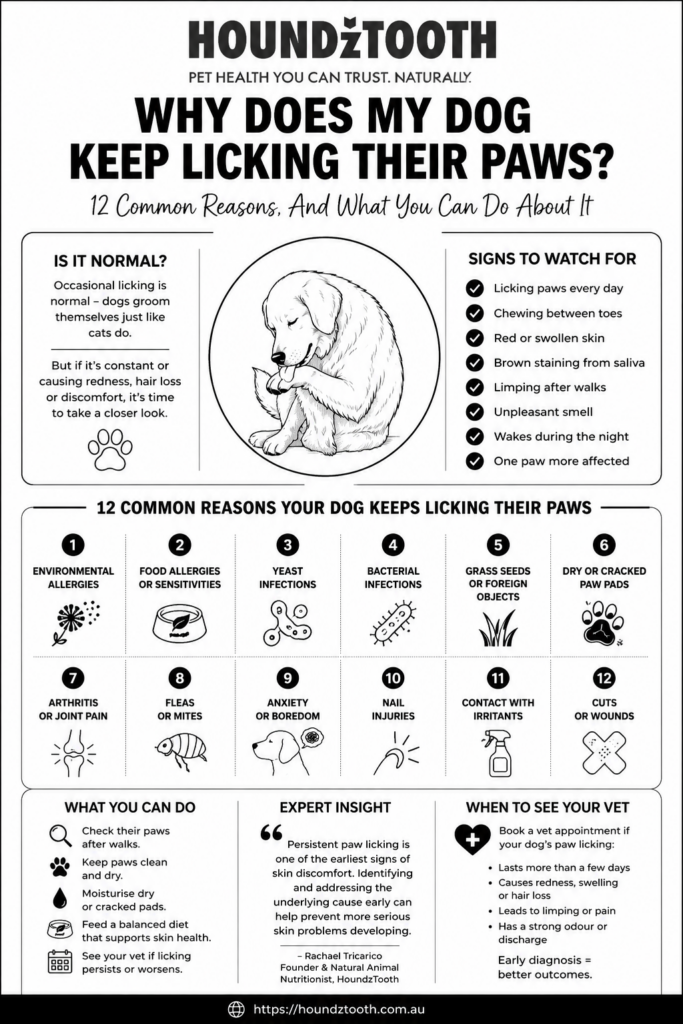
The connection between dog allergies and paw licking is something many owners don’t recognise until their dog’s skin becomes increasingly irritated.
Dog allergies are one of the most common causes of chronic skin disease in dogs. Persistent paw licking, scratching, recurring ear infections and irritated skin are often the earliest signs that something deeper may be affecting your dog’s skin health. While many owners assume these behaviours are simply part of being a dog, they can indicate inflammation that deserves veterinary attention.
If your dog constantly licks, chews or nibbles at their paws, it’s easy to assume they’re simply cleaning themselves. While occasional grooming is perfectly normal, persistent paw licking is often one of the earliest signs that something deeper may be affecting your dog’s skin health.
For many dogs, the paws are where allergic skin disease first becomes visible. Every day, your dog’s paws and skin come into contact with grass, pollen, dust, mould, soil, cleaning products and countless other environmental allergens. If your dog has sensitive skin or an overactive immune response, those everyday exposures can trigger inflammation that leaves their skin and paws itchy, irritated and uncomfortable.
Paw licking and scratching isn’t the condition itself, it’s your dog’s response to the discomfort. Understanding the connection between dog allergies and paw licking can help owners recognise the early signs of allergic skin disease and seek veterinary advice before skin problems become more advanced.
While persistent paw licking has many possible causes, this article focuses specifically on allergies and skin health. If you’re looking for a broader guide covering all possible causes of paw licking, read our article Why Is My Dog Constantly Licking Their Paws? 10 Common Causes Explained.
Over the past decade, veterinarians have seen a growing number of dogs diagnosed with allergic skin disease, making allergies one of the most common reasons owners seek veterinary advice for chronic itching. While environmental allergies are the leading culprit, food allergies, secondary skin infections and compromised skin health can all contribute to the cycle of itching and inflammation.
Unfortunately, many owners unknowingly focus on the symptom rather than the cause.
Stopping a dog from licking their paws or scratching their ears, may protect the skin temporarily, but unless the underlying trigger is identified, the inflammation usually returns.
In many cases, the repeated licking and scratching actually causes further damage, weakening the skin’s natural protective barrier and creating the ideal environment for bacteria and yeast to thrive.
This ongoing itch–lick–scratch-inflame cycle is one of the biggest challenges in managing allergic skin disease.
Healthy Skin Starts with a Healthy Skin Barrier
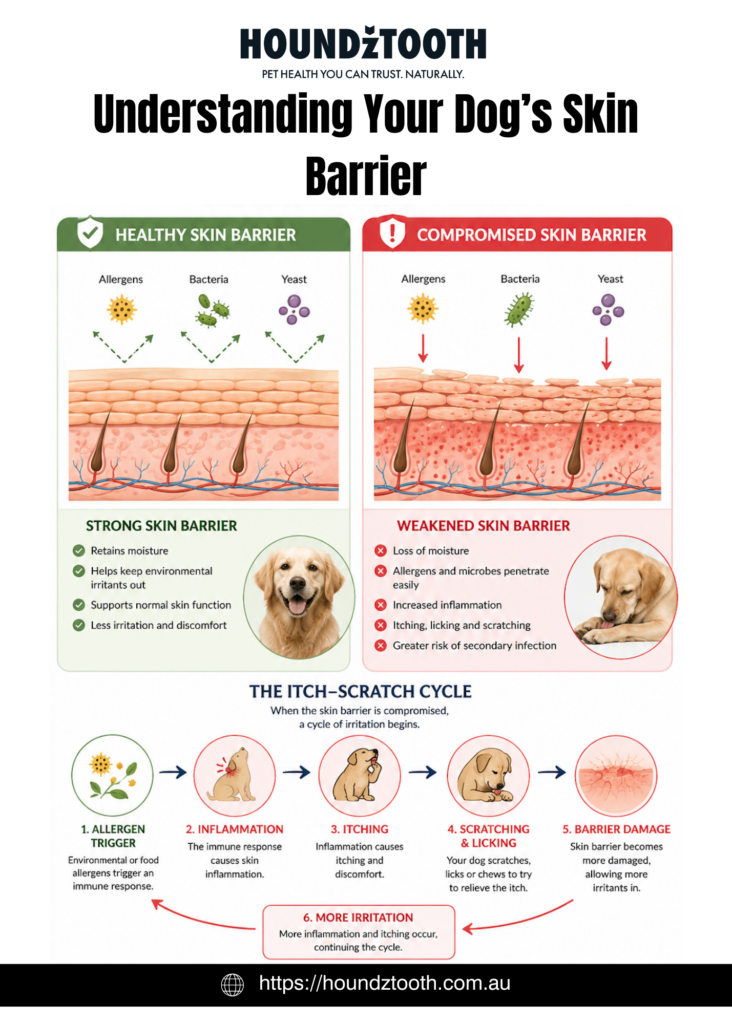
Your dog’s skin does much more than cover their body. It is their largest organ and serves as an essential protective barrier between the body and the outside world. Healthy skin helps prevent allergens, bacteria, fungi and environmental irritants from penetrating deeper tissues while also retaining moisture and supporting the body’s natural immune defences.
When that protective barrier becomes compromised, tiny cracks develop within the outer layers of the skin. Allergens can enter more easily, inflammation increases and the urge to scratch, chew or lick becomes even stronger.
Over time, this damage creates a vicious cycle:
- Allergens trigger inflammation.
- The skin barrier weakens.
- Bacteria and yeast multiply more easily.
- Itching becomes more intense.
- Dogs lick and chew their paws for relief.
- The skin becomes even more damaged.
Breaking this cycle requires more than simply treating the itch. It means understanding what is driving the inflammation while supporting healthy skin from both the outside and the inside.
The Science Behind Allergic Skin Disease
For many years, allergies were thought to be simply an overreaction of the immune system. Today, veterinary research tells us the picture is far more complex. Canine atopic dermatitis, the most common form of allergic skin disease, is now recognised as involving three closely connected systems: the immune system, the skin barrier and the skin microbiome. When one becomes disrupted, it can affect the others, creating the persistent cycle of itching, inflammation and skin damage seen in many allergic dogs.
Think of your dog’s skin barrier as a brick wall.
The skin cells are the bricks, while specialised fats, proteins and natural lipids act as the mortar holding everything together. A healthy skin barrier keeps moisture locked in while helping prevent allergens, bacteria, yeast and other environmental irritants from penetrating the skin.
When that barrier becomes weakened, whether through genetics, inflammation or repeated scratching and licking, it becomes easier for allergens to pass through the skin and trigger an immune response. The immune system releases inflammatory chemicals that cause itching, redness and irritation, encouraging dogs to lick and chew their skin for relief. Unfortunately, this creates a self-perpetuating cycle.
What Happens When the Skin Barrier Breaks Down
As licking and scratching continue, the skin barrier becomes further damaged, allowing even more allergens and microorganisms to enter. Secondary bacterial and yeast infections can then develop, increasing inflammation and making the skin even itchier.
Researchers also know that healthy skin isn’t sterile. It is home to millions of naturally occurring microorganisms that make up the skin microbiome. In healthy dogs, these bacteria and yeasts exist in balance and form part of the skin’s natural defence system. However, allergic inflammation can disrupt this balance, allowing harmful microorganisms to overgrow and contribute to ongoing skin disease.
This growing understanding has changed the way veterinarians approach allergic skin disease.
Rather than simply treating the itch, modern allergy management focuses on identifying the underlying trigger, restoring skin barrier function, controlling inflammation and reducing the risk of secondary infections. Nutrition also has an important supporting role by providing the essential nutrients needed for healthy skin renewal and barrier maintenance as part of a comprehensive management plan.
Expert Insight
“One of the biggest misconceptions I see is that allergies are simply an itchy skin problem. In reality, they’re much more complex. Healthy skin relies on a strong skin barrier, a balanced immune system and a healthy microbiome. When one of these becomes compromised, it can trigger a cycle of inflammation that’s much harder to break.”
Rachael Tricarico
Houndztooth Founder & Certified Natural Animal Nutritionist
How Nutrition Supports Healthy Skin
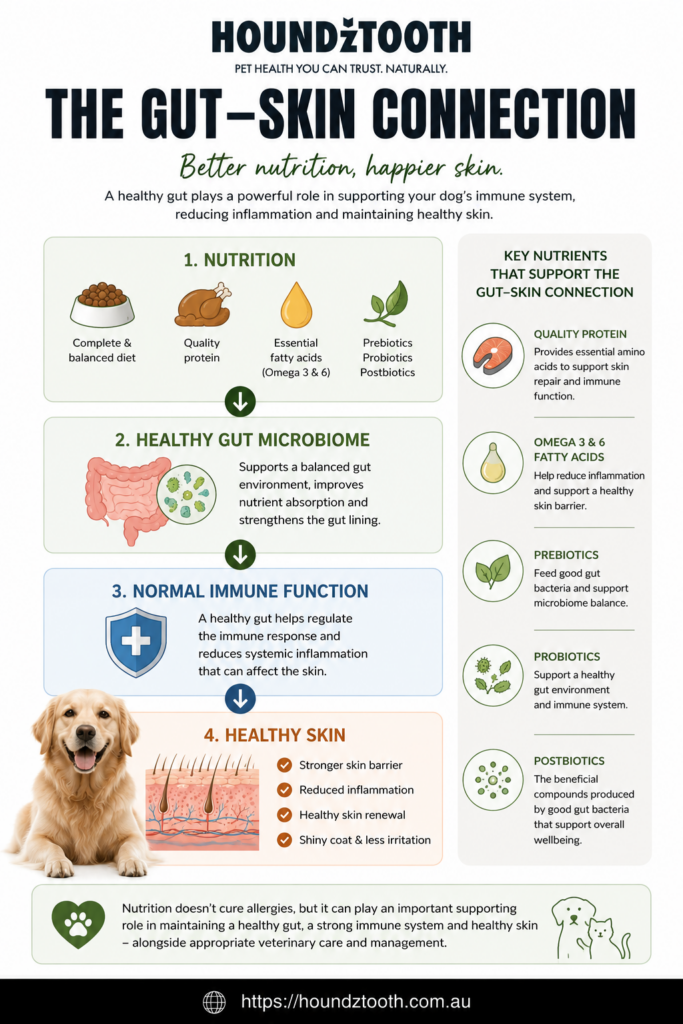
Nutrition alone won’t cure allergies, but it plays an important supporting role in maintaining healthy skin, supporting normal immune function and helping the skin perform its vital barrier function.
Healthy skin is constantly repairing and renewing itself, relying on a consistent supply of quality protein, essential fatty acids, vitamins and minerals to remain strong and resilient. These nutrients provide the building blocks needed to support normal skin structure, maintain the skin barrier and promote healthy skin renewal. When nutritional needs aren’t met, the skin may become more vulnerable to irritation and slower to recover from damage.
Research is also highlighting the important relationship between the gut microbiome and skin health, often referred to as the gut-skin axis. While this area of veterinary medicine continues to evolve, growing evidence suggests that a healthy gut microbiome plays an important role in supporting normal immune function, which in turn influences skin health.
Supporting the gut microbiome through a complete and balanced diet, along with ingredients such as prebiotics, probiotics and postbiotics, may help maintain a healthy digestive environment and support the body’s natural immune responses. Because so much of the immune system is closely linked with the gut, maintaining digestive health is increasingly recognised as one part of a broader approach to supporting dogs with allergic skin disease. If you’re wondering whether your dog’s gut health may need additional support, read our guide to the 10 signs your dog may need probiotics.
Nutrition should always be viewed as one component of a comprehensive allergy management plan. Alongside veterinary diagnosis, appropriate medical treatment and environmental management, providing balanced nutrition helps give the skin the resources it needs to repair, renew and function at its best.
Expert Insight
“One of the biggest misconceptions is that nutrition is only important once a dog develops skin problems. In reality, healthy skin starts from within. Feeding a complete and balanced diet that provides quality protein, essential fatty acids and supports the gut microbiome through ingredients such as prebiotics, probiotics and postbiotics helps give the skin the nutrients it needs to maintain a strong barrier and support normal immune function. Nutrition won’t cure allergies, but it plays an important role alongside veterinary care in supporting long-term skin health.“
Rachael Tricarico
Houndztooth Founder & Certified Natural Animal Nutritionist
Dog Allergies and Paw Licking: What’s the Connection?
One of the most common questions veterinarians hear is:
“Why won’t my dog stop licking their paws?”
Unlike people, who often experience allergies through sneezing, watery eyes or a runny nose, dogs are much more likely to show allergies through their skin. When a dog’s immune system reacts to an allergen, it triggers inflammation that causes itching, redness and irritation.
Because a dog’s paws are in constant contact with grass, pollen, weeds, mould spores and other environmental allergens, they are often one of the first places allergy symptoms develop. To relieve the irritation, dogs instinctively lick and chew their paws. While this may provide temporary relief, repeated licking can further damage the skin barrier, increasing the risk of secondary bacterial or yeast infections and creating an ongoing cycle of itching and inflammation.
For many dogs, what begins as mild seasonal irritation can gradually develop into chronic skin disease if the underlying cause isn’t identified and managed.
Not every dog that licks its paws has allergies. Injuries, parasites, infections, foreign bodies and behavioural issues can also cause excessive paw licking. However, when paw licking is persistent or occurs alongside scratching, recurring ear infections, red skin or seasonal flare-ups, allergies should be considered and veterinary advice sought.
Recognising the Early Signs of Dog Skin Allergies
Allergic skin disease rarely develops overnight. More often, the signs appear gradually and can be easy to dismiss in the early stages. The relationship between dog allergies and paw licking is particularly important because persistent licking may be one of the first signs owners notice. Recognising these subtle changes and seeking veterinary advice early may help reduce ongoing inflammation, minimise secondary infections and improve your dog’s long-term comfort.
Common signs that may suggest allergies are affecting your dog’s skin include:
- Persistent licking or chewing of the paws
- Red or inflamed skin between the toes
- Brown saliva staining on the feet
- Frequent scratching
- Recurring ear infections
- Itching around the face, eyes or muzzle
- Hair loss or thinning coat
- A dull, dry or flaky coat
- Hot spots
- A musty odour from the paws or skin caused by secondary yeast overgrowth
- Seasonal flare-ups during spring and summer
While these signs are commonly associated with allergies, they can also occur with other skin conditions, parasites or infections. Because many conditions present in similar ways, obtaining an accurate veterinary diagnosis is essential before starting any long-term management plan.
The Most Common Types of Dog Allergies
Not all allergies are the same. While many dogs show similar signs—such as persistent paw licking, scratching, recurring ear infections or irritated skin—the underlying cause can vary considerably.
Some dogs react to allergens in their environment, while others have an adverse reaction to specific ingredients in their diet. In some cases, more than one factor may be contributing to a dog’s skin problems at the same time.
Understanding the different types of allergies is an important first step towards identifying the underlying cause and developing an effective long-term management plan. Because many skin conditions can appear similar, obtaining an accurate veterinary diagnosis is essential before making changes to your dog’s diet or treatment plan.
Environmental Allergies – The Most Common Cause of Allergic Skin Disease
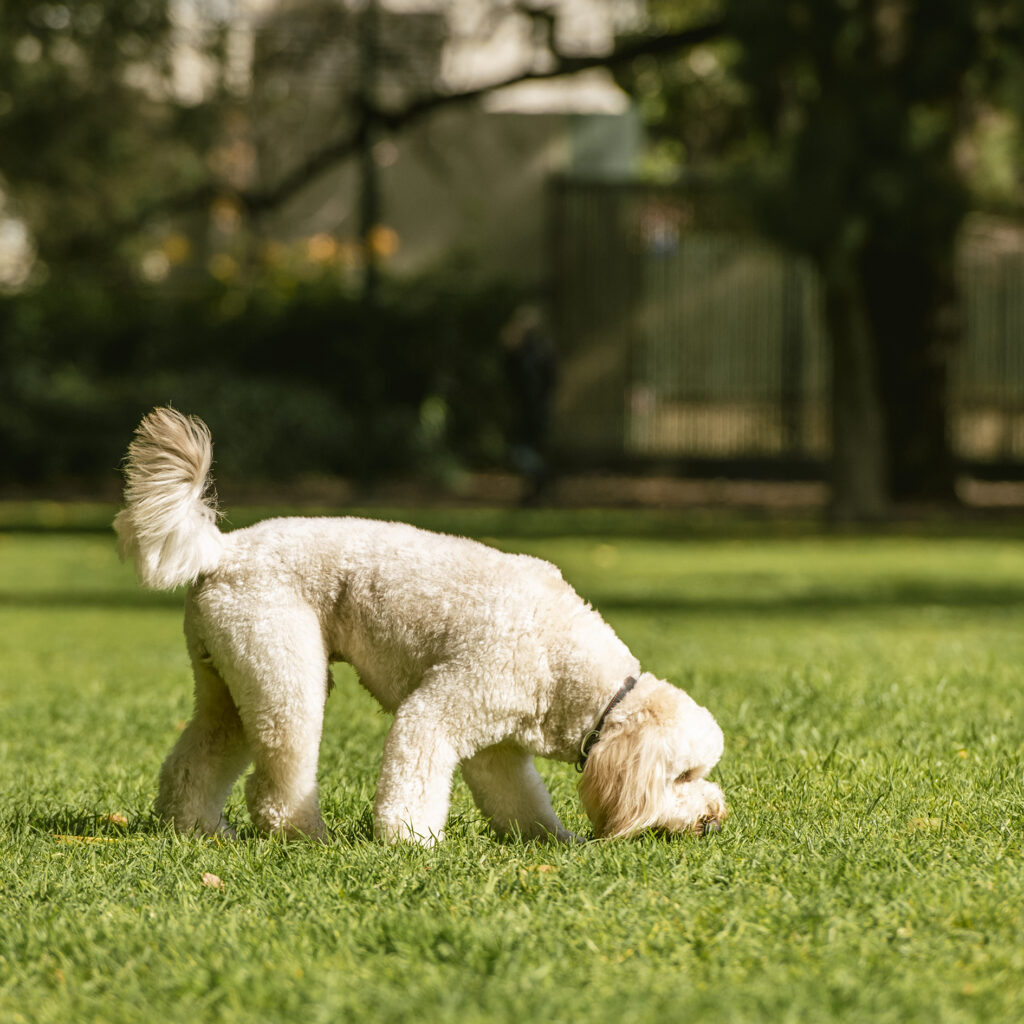
Environmental allergies, also known as canine atopic dermatitis, are the most common cause of chronic allergic skin disease in dogs.
Unlike people, who often experience allergies through sneezing or watery eyes, dogs are much more likely to show allergic reactions through their skin. Their immune system overreacts to substances in the environment that are normally harmless, triggering inflammation that causes itching, redness and irritation.
Common environmental allergens include:
- Grass pollens
- Tree pollens
- Weed pollens
- Dust mites
- Mould spores
- Environmental fungi
Because a dog’s paws are in constant contact with these allergens, they are often one of the first areas affected. However, allergies rarely stop there. Many dogs also develop itchy ears, facial rubbing, irritation around the chest, abdomen and armpits, along with recurrent skin infections.
In Australia, many dogs experience seasonal flare-ups during spring and early summer when grass pollens and other environmental allergens are at their highest. While these allergens can’t be eliminated completely, early recognition and appropriate management can help reduce flare-ups and support healthier skin throughout the year. For more practical ways to support your dog during allergy season, read our guide to natural remedies for seasonal allergies in dogs.
Food Allergies and Food Sensitivities
Although food allergies receive a great deal of attention, they are considerably less common than environmental allergies.
A true food allergy occurs when the immune system reacts to a particular dietary protein, resulting in inflammation that commonly affects the skin. Food sensitivities are different. They don’t involve the immune system in the same way but may still contribute to digestive upset or skin irritation in some dogs.
One of the biggest clues that food may be involved is the timing of symptoms. Unlike seasonal environmental allergies, food-related skin problems are often present all year round and may also be accompanied by gastrointestinal signs such as vomiting or diarrhoea.
Diagnosing a food allergy requires patience. Rather than relying on blood or saliva tests, veterinarians generally recommend a carefully managed elimination diet followed by food challenges to accurately identify the offending ingredient.
This process not only helps determine whether food is contributing to the problem but also avoids unnecessarily restricting foods that form part of a complete and balanced diet.
Why Allergies Often Lead to Secondary Skin Infections
One of the reasons allergic skin disease can become so frustrating for both dogs and their owners is that the allergy itself is often only part of the problem.
When a dog repeatedly licks, scratches or chews irritated skin, the skin barrier becomes further compromised. This creates an opportunity for bacteria and yeast that normally live harmlessly on the skin to multiply, resulting in secondary skin infections.
These infections increase inflammation and make the skin even itchier, causing dogs to scratch and lick even more. This ongoing cycle can become difficult to break unless both the infection and the underlying allergy are identified and managed.
Because bacterial and yeast infections require different treatment approaches, your veterinarian may recommend skin cytology or other diagnostic tests to determine what is contributing to your dog’s discomfort.
Treating a secondary infection may provide temporary relief, but unless the underlying allergy is also managed, many dogs experience recurring flare-ups.
Managing Allergies: Helping Your Dog Stay Comfortable Year-Round
While allergies can’t always be prevented or cured, they can often be managed successfully with the right combination of veterinary care, environmental management and nutritional support.
Every dog is different. Some experience seasonal flare-ups during spring and summer when pollen counts are high, while others show signs throughout the year. Understanding your dog’s individual triggers and recognising changes early can help reduce flare-ups and support long-term skin health.
Successful allergy management is rarely about finding one quick solution. Instead, it involves reducing the overall burden on your dog’s skin and immune system while supporting a healthy skin barrier over time.
Reduce Exposure to Known Allergens
While it’s impossible to eliminate every allergen your dog encounters, small everyday habits may help reduce exposure to pollen, dust and environmental irritants.
These may include:
- Checking your dog’s paws after walks.
- Rinsing paws after walks through long grass or high-pollen areas.
- Washing bedding regularly.
- Vacuuming frequently to reduce household dust and allergens.
- Keeping lawns trimmed where practical.
- Using gentle grooming products that support the skin barrier and avoiding unnecessary irritants.
- Being mindful of chemicals used around the home and garden.
These simple steps won’t prevent allergies, but they may help reduce ongoing irritation for some dogs.
Monitor Your Dog’s Skin Throughout the Year
Early recognition is one of the most important parts of managing allergic skin disease.
Regularly checking your dog’s skin, paws and ears makes it easier to notice subtle changes before they develop into more significant problems.
Look for:
- Redness between the toes.
- Thickened skin.
- Hair thinning.
- Changes in coat quality.
- Excessive dandruff.
- Unpleasant odours.
- Recurring ear irritation.
- Increased scratching, licking or chewing.
Keeping a diary of flare-ups, including the time of year and any potential environmental triggers, can also provide valuable information to discuss with your veterinarian.
Expert Insight
“One of the simplest things owners can do is regularly check their dog’s paws, ears and skin. Dogs often show subtle changes long before a flare-up becomes severe, and recognising those signs early can make a real difference to their long-term comfort.”
Rachael Tricarico
Houndztooth Founder & Certified Natural Animal Nutritionist
Nutrition as Part of a Long-Term Skin Health Plan
Good nutrition provides the foundation for healthy skin throughout your dog’s life.
For dogs living with allergic skin disease, veterinarians and qualified animal nutrition professionals may recommend nutritional strategies that support:
- Healthy skin barrier function.
- Normal immune function.
- Skin repair and renewal.
- Coat quality.
- Normal inflammatory responses.
Depending on your dog’s individual needs, this may include ensuring appropriate levels of quality protein, essential fatty acids and other key nutrients as part of a complete and balanced diet. In some cases, nutritional strategies that support the gut microbiome, including prebiotics, probiotics and postbiotics, may also form part of a broader skin health management plan.
Expert Insight
“Supporting healthy skin isn’t about finding a single ‘miracle’ ingredient. It’s about consistently providing complete and balanced nutrition that supplies the building blocks the skin needs to repair, maintain a healthy barrier and support normal immune function. Nutrition works best as part of a broader management plan developed alongside your veterinarian.”
Rachael Tricarico
Houndztooth Founder & Certified Natural Animal Nutritionist
Work With Your Veterinarian
Allergic skin disease is rarely something owners need to manage alone.
Your veterinarian is best placed to identify the underlying cause of your dog’s symptoms and develop a personalised management plan. This may include allergy investigations, parasite control, dietary trials, medications or referral to a veterinary dermatologist where appropriate.
The earlier allergies are investigated, the greater the opportunity to reduce ongoing skin damage, minimise secondary infections and improve your dog’s long-term comfort.
Frequently Asked Questions
Can allergies suddenly develop in adult dogs?
Yes. Allergies can develop at almost any stage of life, even in dogs that have never experienced skin problems before. While many dogs first show signs between one and three years of age, others may not develop allergic skin disease until adulthood.
Are some dog breeds more prone to allergies?
Yes. While any dog can develop allergies, some breeds appear to have a higher risk of allergic skin disease. These may include Labrador Retrievers, Golden Retrievers, West Highland White Terriers, French Bulldogs, Boxers, Bulldogs and Staffordshire Bull Terriers. However, allergies can affect dogs of any breed or crossbreed, so it’s important not to dismiss the signs simply because your dog isn’t considered a high-risk breed.
Why do allergies affect my dog’s paws first?
A dog’s paws are in constant contact with grass, pollen, soil and other environmental allergens. Because they can’t scratch their feet effectively, many dogs lick or chew their paws in an attempt to relieve the irritation. Persistent paw licking is often one of the earliest signs of allergic skin disease and should always be investigated if it continues or recurs.
Can nutrition cure my dog’s allergies?
No. Nutrition cannot cure allergies or replace veterinary treatment. However, feeding a complete and balanced diet provides the nutrients needed to support healthy skin, maintain the skin barrier and support normal immune function. For some dogs, nutritional strategies that support the gut microbiome and skin may also form part of an overall allergy management plan developed with a veterinarian.
Should I give my dog supplements for itchy skin?
Not every dog with itchy skin requires supplements. The first step is understanding why your dog is itchy. Allergies, parasites, infections and other skin conditions can all produce similar signs. Once your veterinarian has identified the underlying cause, they may recommend nutritional support where appropriate as part of a broader skin health management plan.
Is paw licking always caused by allergies?
No. While allergies are one of the most common causes of persistent paw licking, injuries, parasites, infections, foreign objects, joint pain and behavioural issues can all produce similar signs. Obtaining an accurate diagnosis is the best way to ensure your dog receives the most appropriate treatment and ongoing management.
When should I see my veterinarian?
Arrange a veterinary examination if your dog:
Licks or chews their paws every day.
Develops red, swollen or painful skin.
Has recurring ear infections.
Starts limping.
Has an unpleasant odour from their paws.
Develops open sores or discharge.
Appears uncomfortable or in pain.
Experiences recurring flare-ups despite home care.
Persistent itching is never something dogs should simply have to live with. Seeking veterinary advice early can help identify the underlying cause, reduce the risk of secondary infections and improve your dog’s long-term comfort.
Supporting Your Dog’s Skin Health for the Long Term
Managing allergic skin disease is rarely about finding one single solution. Healthy skin depends on a combination of factors, including genetics, immune function, environmental exposure, nutrition and appropriate veterinary care.
Recognising the early signs of allergies, identifying individual triggers and supporting the skin barrier can help owners move beyond simply managing the itch and focus on their dog’s long-term skin health and comfort. Understanding the connection between dog allergies and paw licking is an important part of recognising skin problems early and seeking appropriate veterinary care.
Most importantly, persistent paw licking, scratching or recurring skin and ear problems shouldn’t be dismissed as normal behaviour. Early veterinary advice can help identify the underlying cause and establish an appropriate management plan.
Expert Insight
“Our dogs rely on us to notice the small changes that tell us something isn’t right. Persistent itching, paw licking or recurring skin problems shouldn’t simply become their ‘normal’. By recognising the signs early, supporting healthy skin through good nutrition and working alongside your veterinarian, you can give your dog the best opportunity to stay comfortable and healthy for the long term.“
Rachael Tricarico
Houndztooth Founder & Certified Natural Animal Nutritionist
Sources
Canine Atopic Dermatitis: Prevalence, Impact and Management Strategies (2024)
https://pmc.ncbi.nlm.nih.gov/articles/PMC10874193/
International Committee on Allergic Diseases of Animals (ICADA)
https://www.icada.org
World Small Animal Veterinary Association (WSAVA)
https://wsava.org
PetSure Pet Health Monitor 2025
https://petsure.com.au/pet-health-monitor/