
05.6.26
Why Is My Dog Constantly Licking Their Paws? 10 Common Causes Explained
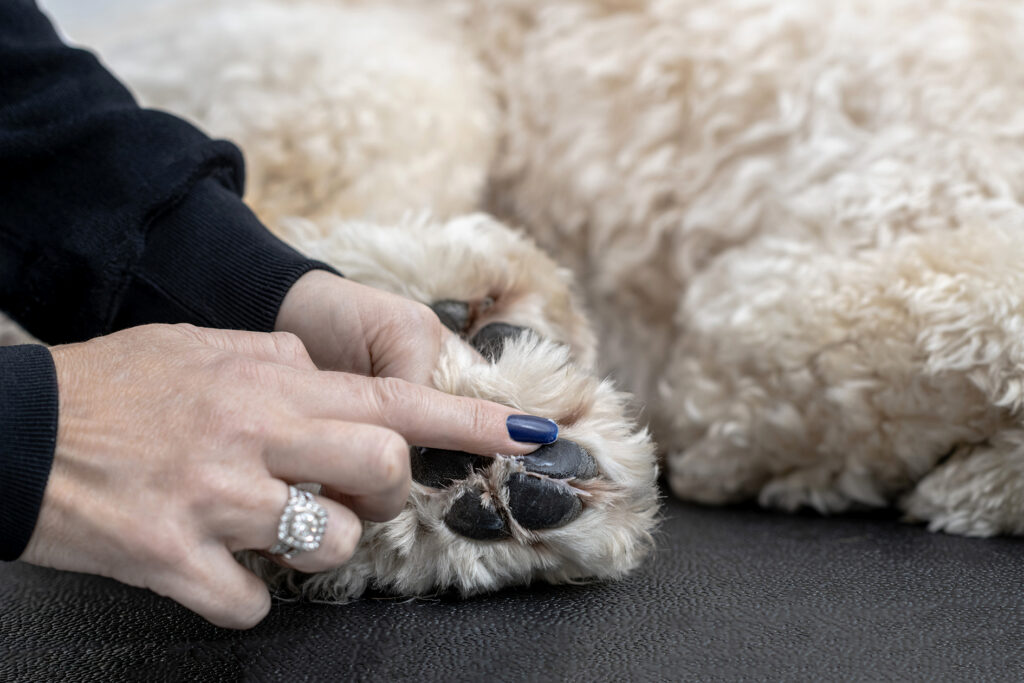
If you’ve ever caught your dog repeatedly licking their paws, you’re not alone.
While occasional paw licking is completely normal, excessive or constant licking can be a sign that something else is going on. From allergies and skin irritation to anxiety and digestive health concerns, there are many possible reasons your dog may be paying extra attention to their paws. If you’re looking for a broader overview of this common behaviour, you may also find our article on why dogs lick their paws helpful.
Understanding the underlying cause is the first step towards helping your dog feel more comfortable.
Is Paw Licking Normal?
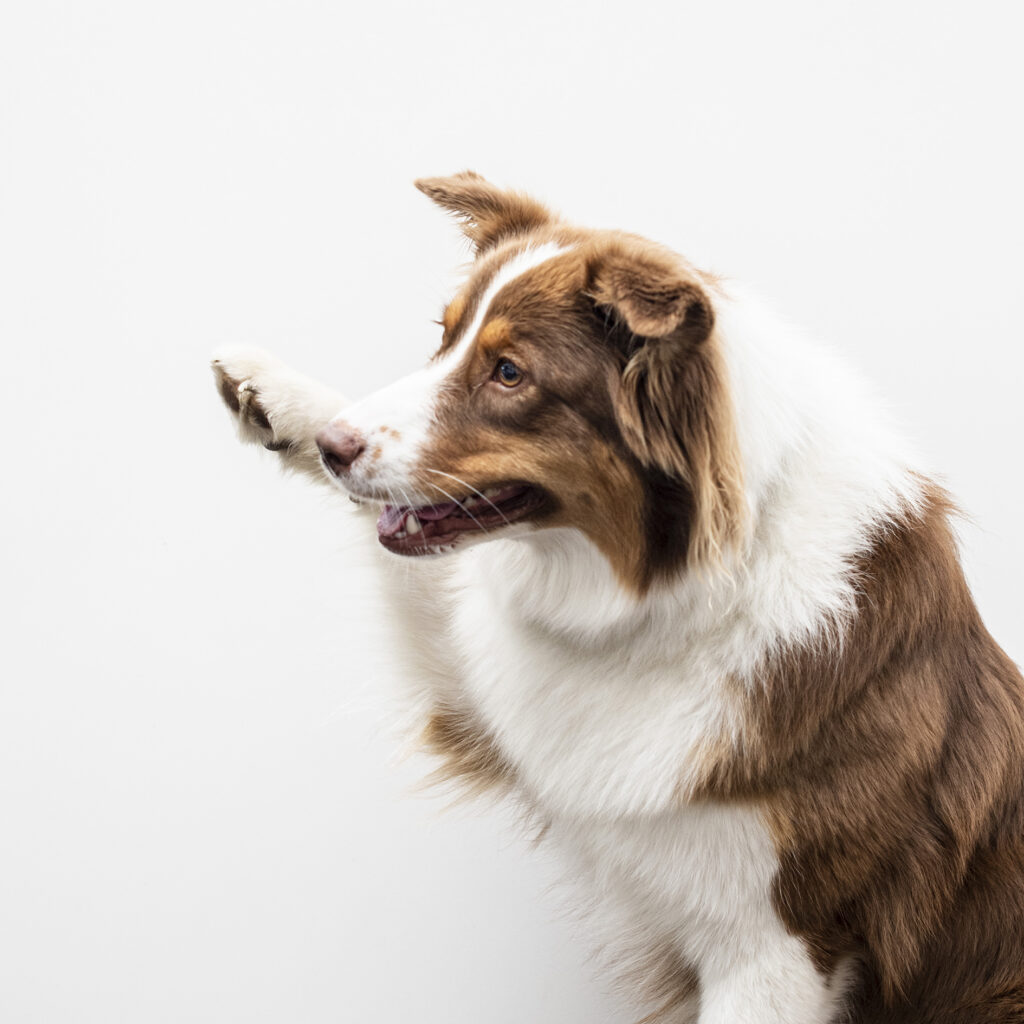
A small amount of paw licking is a natural part of your dog’s grooming routine. Dogs may lick their paws to:
- Remove dirt or debris
- Clean themselves after a walk
- Soothe a minor irritation
- Relax before sleeping
However, if your dog is constantly licking their paws, chewing at their feet or causing redness and irritation, it’s worth investigating further.
1. Environmental Allergies
Environmental allergies are one of the most common causes of excessive paw licking. According to veterinary experts, seasonal allergies can affect a dog’s skin, ears and paws, often leading to itching, licking and discomfort. Dogs can react to:
- Grass
- Pollen
- Dust mites
- Mould spores
- Weeds
Because a dog’s paws come into direct contact with these allergens, the feet are often one of the first places symptoms appear. Common signs include:
- Paw licking
- Red paws
- Itchy skin
- Rubbing their face
- Recurrent ear issues
According to Houndztooth founder and natural animal nutritionist Rachael Tricarico, “Many dogs with seasonal allergies show symptoms through their paws long before owners notice irritation elsewhere. Persistent licking is often one of the first signs that something isn’t quite right.”
If your dog experiences ongoing itchiness alongside paw licking, our guide to the best dog supplements for itchy skin in Australia explores natural ways to support skin health and comfort.
2. Food Sensitivities
In some cases, food sensitivities can sometimes contribute to skin irritation and paw licking. While food allergies are less common than environmental allergies, some dogs may react to specific ingredients within their diet. Potential signs include:
- Paw licking
- Itchy skin
- Ear irritation
- Digestive upset
- Soft stools
Because skin and digestive health are closely connected, addressing nutrition can be an important part of supporting long-term wellbeing.
3. Dry or Irritated Skin
Just like humans, dogs can experience dry skin. Dry weather, excessive bathing, harsh shampoos or environmental factors can all affect skin condition. When the skin on the paws becomes dry or irritated, dogs often lick the area in an attempt to soothe the discomfort.
4. Grass Seeds or Foreign Objects
Sometimes the cause is surprisingly simple. After walks, small objects such as:
- Grass seeds
- Splinters
- Burrs
- Sand
- Small stones
can become trapped between the toes. Always check your dog’s paws after outdoor adventures.
5. Anxiety and Stress
Paw licking isn’t always physical. Some dogs develop repetitive licking behaviours as a way to self-soothe when feeling stressed or anxious. Potential triggers include:
- Changes in routine
- Moving house
- Separation anxiety
- Lack of mental stimulation
- Boredom
Rachael Tricarico explains, “Dogs often express emotional stress through physical behaviours. Repetitive paw licking can sometimes be a coping mechanism, particularly in sensitive dogs or during periods of change.”
For dogs that struggle with stress-related behaviours, providing enrichment, exercise and calming support may help encourage relaxation. Some owners also choose to incorporate an anxiety aid for dogs as part of their dog’s wellbeing routine
6. Gut Health Imbalances
An emerging area of research is the connection between gut health and skin health. The digestive system plays an important role in immune function and overall wellbeing. When gut health is compromised, some dogs may experience symptoms that affect the skin. Signs may include:
- Paw licking
- Itchy skin
- Digestive upset
- Soft stools
- Increased sensitivity
Additionally, supporting gut health through balanced nutrition and digestive support, such as a quality dog probiotic and digestive supplement, may help promote overall wellbeing.
7. Yeast Overgrowth
Yeast thrives in warm, moist environments, making paws a common location for irritation. Signs may include:
- Constant licking
- Brown staining around the paws
- A strong odour
- Redness between the toes
If you suspect a yeast-related issue, consult your veterinarian for an accurate diagnosis.
8. Injury or Pain
Dogs sometimes lick a specific paw because they’re experiencing pain. Possible causes include:
- Cuts
- Scrapes
- Insect stings
- Nail injuries
- Joint discomfort
If your dog suddenly begins licking one particular paw, inspect the area carefully.
9. Contact Irritants
Many everyday products can irritate sensitive paws. Potential irritants include:
- Lawn treatments
- Cleaning products
- Fertilisers
- Salt used on pathways
- Certain surfaces
Washing your dog’s paws after walks may help remove potential irritants.
10. Habitual Behaviour
Sometimes a behaviour that starts because of an itch or irritation can become habitual. Even after the original cause has resolved, some dogs continue licking because it has become part of their routine. Early intervention can help prevent the behaviour becoming established.
How To Help a Dog That Keeps Licking Their Paws

Rachael Tricarico, founder of Houndztooth and qualified natural animal nutritionist, regularly works with dog owners seeking support for skin, digestive and wellbeing concerns.
The best solution depends on the underlying cause. Helpful steps may include:
Check the Paws Regularly
Look for:
- Redness
- Swelling
- Foreign objects
- Cracks
- Cuts
Support Skin Health
A balanced diet and appropriate skin support can help maintain healthy skin and coat condition. Many dog owners choose to include natural ingredients that support skin and coat health, such as hemp seed oil for dogs, alongside a balanced diet and healthy lifestyle.
Focus on Gut Health
Supporting digestive health may play a role in overall wellbeing, particularly in dogs that experience both skin and digestive concerns.
Reduce Exposure to Irritants
Rinsing paws after walks can help remove pollen, grass and other environmental irritants.
Seek Veterinary Advice
Persistent paw licking should always be investigated by your veterinarian, particularly if symptoms worsen or your dog appears uncomfortable.
Can Diet Affect Paw Licking?
In some cases, yes. Nutrition can influence skin health, immune function and digestive wellbeing. For dogs experiencing both digestive and skin concerns, exploring probiotics for dogs may be worthwhile. According to Rachael Tricarico, “We often focus on what we can see on the outside, but healthy skin starts from within. Supporting digestion, nutrition and overall wellbeing may help dogs maintain healthy skin and coat condition.”
Supporting Your Dog’s Skin, Gut and Emotional Wellbeing
If your dog struggles with ongoing paw licking, identifying the underlying cause is essential. Alongside veterinary advice, supporting digestive health, skin health and emotional wellbeing may help your dog feel more comfortable.
Frequently Asked Questions
Why does my dog lick their paws at night?
Dogs often settle and relax at night, making repetitive behaviours more noticeable. However, excessive nighttime licking may indicate irritation, allergies or discomfort.
Can allergies cause paw licking?
Yes. Environmental allergies are one of the most common reasons dogs lick their paws.
Should I be worried if my dog keeps licking their paws?
Occasional licking is normal. Persistent licking, chewing, redness or irritation should be investigated.
Can gut health affect itchy skin in dogs?
Emerging research suggests there may be a connection between digestive health, immune function and skin health.
When should I see a veterinarian?
If your dog’s paw licking is persistent, worsening or causing damage to the skin, seek veterinary advice.
When should I see a veterinarian?
If your dog’s paw licking is persistent, worsening or causing damage to the skin, seek veterinary advice.
Final Thoughts
Occasional paw licking is perfectly normal, but constant licking is often your dog’s way of telling you something isn’t right.
Whether the cause is allergies, irritation, anxiety, gut health or something else entirely, identifying the underlying issue is key to helping your dog feel comfortable and healthy.
By paying attention to the signs and supporting your dog’s overall wellbeing, you can help keep those paws happy and healthy.