
17.6.26
Why Does My Dog Smell Bad? 7 Common Causes of Smelly Dogs (And When To Worry)
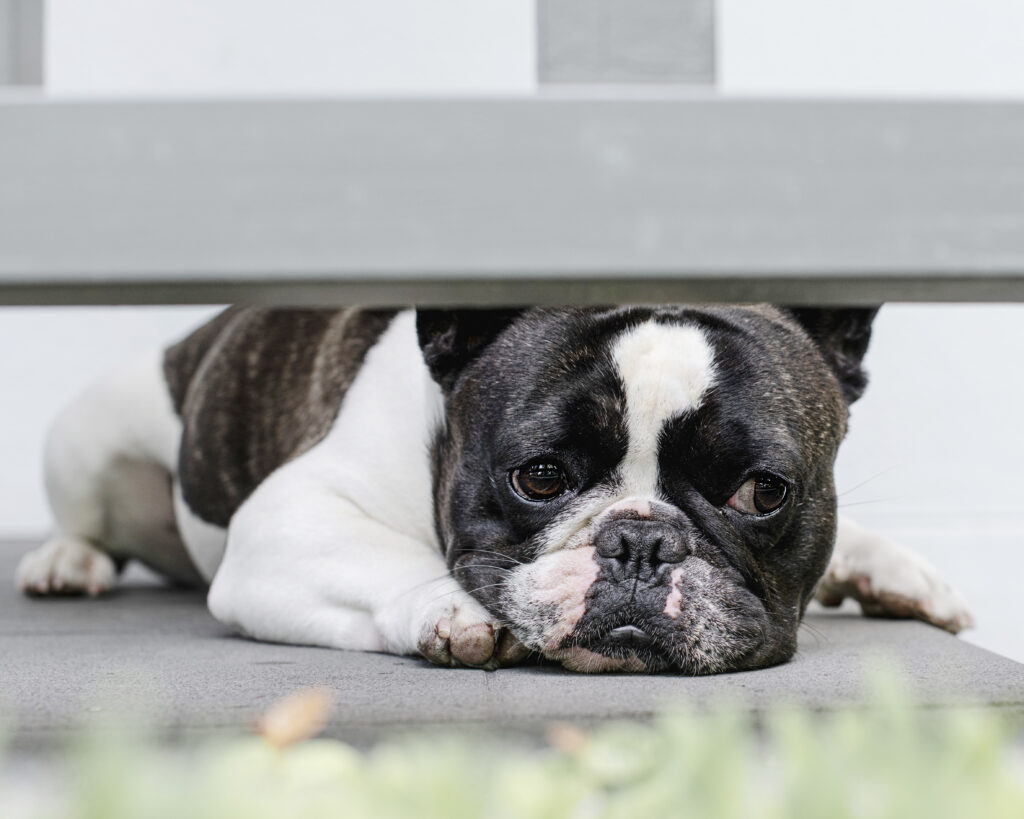
Why Does My Dog Smell Bad? Quick Answer
A dog that suddenly smells stronger than usual may be experiencing an underlying issue such as skin infections, yeast overgrowth, allergies, ear infections, dental disease, anal gland problems or digestive imbalance. While a natural “dog smell” is completely normal, persistent or unusual odours should never be ignored and are worth discussing with your veterinarian.
Why Does My Dog Smell Different Than Usual?
Every dog owner knows the familiar smell of a wet dog after a swim, a rainy walk or an enthusiastic roll in the garden.
But when that smell becomes stronger, unusual or persistent, it may be your dog’s way of telling you something more is happening beneath the surface.
Bad breath, excessive flatulence, a greasy coat, recurring ear issues or a constant “doggy odour” are often dismissed as normal, particularly for certain breeds. However, ongoing odour can sometimes be linked to imbalances involving the skin, digestive system, allergies or the microbiome.
Animal Nutrition Specialist and Founder of Houndztooth, Rachael Tricarico, says changes in smell should never be ignored.
“Many pet owners become accustomed to their dog’s smell and don’t realise what changes,” says Rachael. “If your dog suddenly smells different, it’s worth paying attention. Just as changes in breath, skin or body odour can signal health issues in people, unusual odours in dogs are often the body’s way of communicating that something isn’t quite right.”
The Gut-Skin Connection: How Your Dog’s Health Starts From Within
The gut does far more than simply digest food. Within your dog’s digestive tract lives a complex community of bacteria and microorganisms known as the gut microbiome. This ecosystem plays an important role in digestion, nutrient absorption, immune function and inflammation. The World Small Animal Veterinary Association (WSAVA) Global Nutrition Guidelines recognise the importance of appropriate nutrition in supporting overall health and wellbeing throughout a dog’s life.
When the microbiome becomes disrupted, some dogs may experience signs that appear on the outside, including itchy skin, poor coat condition, recurring ear infections, excessive paw licking or unpleasant body odour.
The skin also has its own microbiome, a delicate ecosystem of beneficial bacteria, fungi and microorganisms that help maintain a healthy skin barrier. When this balance is disrupted, yeast or harmful bacteria can overgrow, potentially resulting in irritation, inflammation and a noticeable smell.
Are Some Dog Breeds More Likely to Smell?
Some dogs naturally have characteristics that can make them more vulnerable to skin and odour issues.
Dogs with deep skin folds, such as Bulldogs, French Bulldogs and Pugs, can trap moisture, dirt and oils within their wrinkles. This creates an ideal environment for yeast and bacteria to thrive.
However, genetics are only one part of the puzzle.
“While genetics certainly play a role, predisposition doesn’t mean these issues are unavoidable,” says Rachael.
Diet, environmental allergens, grooming routines, skin care and maintaining a healthy gut microbiome all contribute to a dog’s overall skin health and odour levels.
The Most Common Reasons Your Dog Smells Bad
Yeast Overgrowth and Skin Infections
Yeast and bacteria naturally live on your dog’s skin. However, when the skin barrier becomes compromised, these organisms can multiply and create a strong, musty or unpleasant smell.
Dogs may also show signs such as:
- Constant scratching
- Red or inflamed skin
- Greasy coat
- Hair loss
- Licking or chewing their paws
Dog Allergies and Skin Irritation
Allergies are one of the most common reasons dogs develop ongoing itching and odour. Environmental allergens such as grass, pollen, dust mites and mould can trigger inflammation, damaging the skin barrier and increasing the risk of secondary bacterial or yeast infections.
“Persistent body odour, excessive flatulence, itchy skin or recurring ear issues shouldn’t automatically be dismissed as normal for a particular breed. These symptoms can often be early indicators that something deeper is out of balance, whether that’s related to the skin barrier, digestive health, allergies or the microbiome,” says Rachael.
Why Does My Dog’s Ears Smell?
A strong smell coming from your dog’s ears may indicate a yeast or bacterial infection.
Other signs can include:
- Head shaking
- Scratching at the ears
- Redness
- Discharge
Recurring ear infections are often associated with underlying allergies and should be investigated by a veterinarian.
Why Does My Dog Have Bad Breath?
Persistent bad breath can be caused by plaque build-up, gum disease, oral infections or other health conditions. It is not simply part of getting older and should be checked by your veterinarian.
Why Does My Dog Fart So Much?
Every dog passes gas occasionally, but persistent or unusually foul-smelling flatulence may indicate a dietary sensitivity, digestive issue or imbalance within the gut.
Because the digestive system and skin are closely connected, some dogs may experience both gastrointestinal signs and skin concerns.
Why Does My Dog Smell Like Fish?
One of the most common concerns reported by dog owners is a strong fishy smell. This is often linked to the anal glands, two small scent glands located near your dog’s anus. If these glands become full, impacted or infected, they can release a very strong fish-like odour. However, persistent smells should always be checked by a veterinarian.
When Should You Take Your Dog To The Vet?
You should book a veterinary appointment if your dog has:
- A persistent or unusual body odour
- Ongoing itching, licking or chewing
- Red or irritated skin
- Recurrent ear infections
- Hair loss
- Changes in stool quality
- Excessive flatulence
- Persistent bad breath
- A strong fish-like smell
Your veterinarian can identify the underlying cause and recommend an appropriate treatment plan.
How To Support Your Dog’s Skin, Coat and Gut Health
Supporting your dog’s wellbeing may involve:
- Feeding a balanced, high-quality diet
- Supporting a healthy gut microbiome
- Maintaining regular grooming and skin care
- Managing environmental triggers
- Providing regular veterinary health checks
The key is not to simply mask the smell but understand what your dog’s body may be trying to tell you.
Frequently Asked Questions About Smelly Dogs
Why does my dog smell like yeast?
A yeast-like smell is commonly associated with an overgrowth of yeast on the skin or inside the ears. It is often linked to allergies, excess moisture or changes in the skin barrier.
Why does my dog smell even after a bath?
A bath may temporarily remove dirt and odours, but it does not address underlying causes such as allergies, infections, ear disease or anal gland issues.
Why does my dog’s breath smell so bad?
Persistent bad breath can be a sign of plaque, gum disease or oral infections and should be checked by your veterinarian.
Can dog food cause bad smells?
Yes. Diet can influence digestion, flatulence, skin health and the gut microbiome. Some dogs may also have food sensitivities that contribute to digestive or skin issues.
Why does my dog keep licking their paws and smell?
Excessive paw licking combined with a strong odour may be a sign of allergies, yeast overgrowth, bacterial infection or inflammation. It is important to identify the underlying cause rather than simply stopping the licking.
The Bottom Line
A dog that smells unusual is often trying to tell you something. While some level of dog odour is normal, persistent bad smells, excessive gas, itchy skin, recurring ear infections or a fishy odour may indicate an underlying issue that requires attention.
By understanding the connection between the gut, skin and overall health, owners can take a proactive approach to their dog’s wellbeing and seek professional advice when something doesn’t seem quite right.