
04.11.26
Best Dog Shampoo for Itchy Skin
By Rachael Tricarico
Founder of Houndztooth & Certified Natural Animal Nutritionist (CIVT)
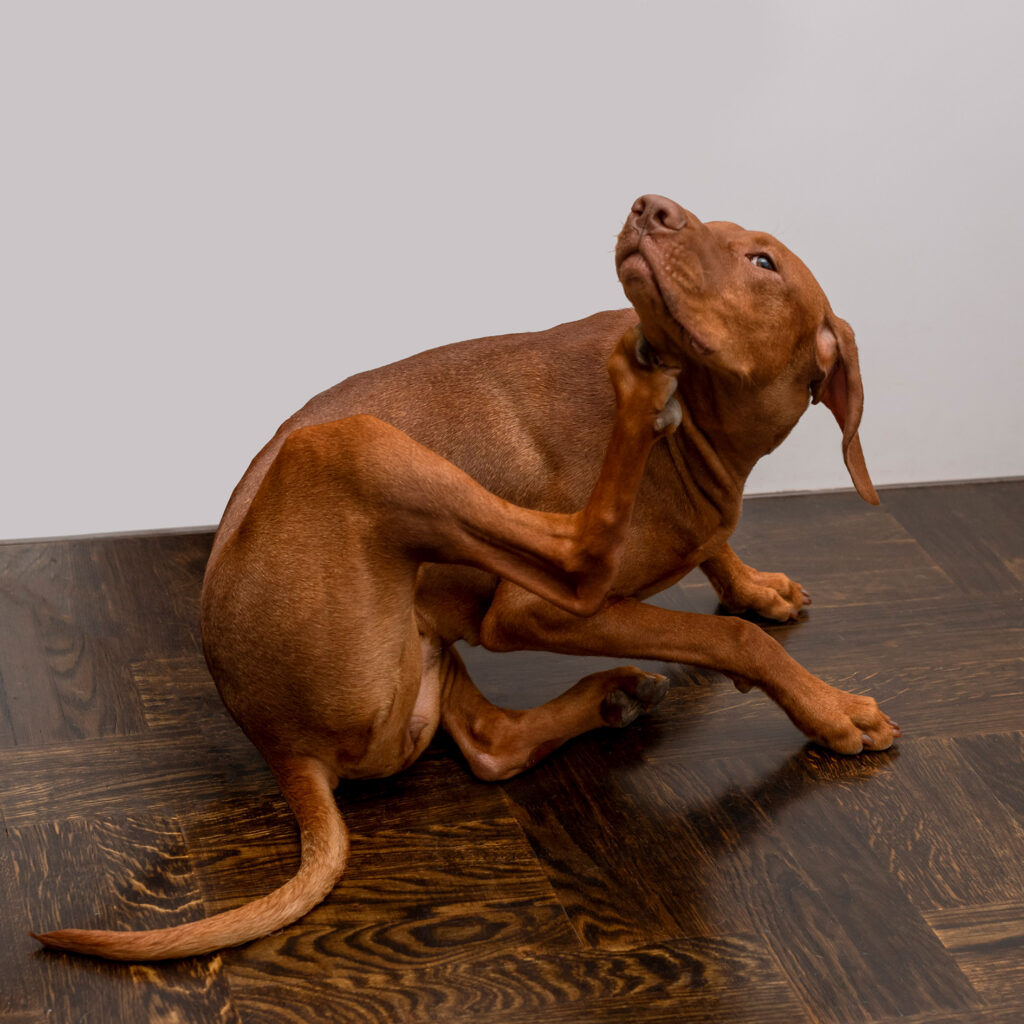
Is your dog constantly scratching, licking their paws or rubbing against the carpet? Finding the best dog shampoo for itchy skin starts with understanding what’s causing the irritation. While a gentle shampoo can support everyday skin and coat health, not all itching is caused by dryness, and not every shampoo will suit every dog.
Choosing the best dog shampoo for itchy skin isn’t simply about finding a product that leaves their coat clean and smelling fresh. It’s about understanding what may be causing the irritation, choosing ingredients that are gentle on the skin and maintaining a grooming routine that supports the skin’s natural protective barrier.
From oatmeal and aloe vera to goat milk and nourishing botanical oils, certain ingredients can make a difference to how a shampoo feels on sensitive skin.
Here’s what to consider before your dog’s next bath.
At a Glance: Best Dog Shampoo for Itchy Skin
Gentle Cleansing
Choose a dog-specific shampoo that cleans without unnecessarily stripping the skin’s natural oils.
Skin-Conditioning Ingredients
Look for ingredients such as oatmeal, aloe vera, goat milk and botanical oils that may support skin and coat comfort.
Understanding the Itch
Allergies, fleas, dry skin and environmental irritants can all contribute to scratching. Identifying the cause matters.
The Right Grooming Routine
Develop the best grooming routine for your dog’s skin and coat type. Speak to your vet if itching persists or skin irritation develops.
The best shampoo is one that suits your dog’s individual skin and coat needs, rather than one that promises to solve every skin concern.
Why Is Your Dog’s Skin Itchy?
Expert Insight
“One of the most important things to understand about itchy skin is that not all itching is caused by dryness. While a gentle shampoo can help maintain the skin’s natural barrier and support everyday skin and coat health, it’s equally important to understand what’s causing the irritation. Choosing the right ingredients is a good starting point, but persistent scratching should never be overlooked.“
Rachael Tricarico
Houndztooth Founder & Certified Natural Animal Nutritionist CVIT
Your dog’s occasional scratching is normal. However, persistent scratching, paw licking or rubbing their stomach along the carpet can suggest something more is going on.
Common causes include:
- Environmental allergies: Grass, pollen, dust mites and other allergens may trigger skin irritation.
- Dry or sensitive skin: A compromised skin barrier can make skin more vulnerable to moisture loss and irritation.
- Fleas and parasites: Even a small number of flea bites can cause significant itching in sensitive dogs.
- Skin infections: Bacterial or yeast infections may cause redness, odour and discomfort.
- Grooming products: Some dogs may react to particular shampoo ingredients or fragrances.
The important thing to remember is that itching is a symptom, not a diagnosis. A gentle shampoo can support skin and coat care, but it won’t treat every underlying cause.
For more information, read our Dog Allergies Explained: Skin Health, Nutrition and the Skin Barrier article.
What Ingredients Should You Look for in Dog Shampoo?
When looking for the best dog shampoo for itchy skin, it’s important to choose a formulation that suits your dog’s individual skin and coat needs.
Oatmeal
Oatmeal is commonly used in gentle skincare formulations. Colloidal oatmeal, in particular, is recognised for its skin-soothing properties.
Oatmeal-containing dog shampoos may be worth considering for dogs with dry, itchy or sensitive skin. Ensure the formulation doesn’t contain any nasty additives that can cause irritation.
Aloe Vera
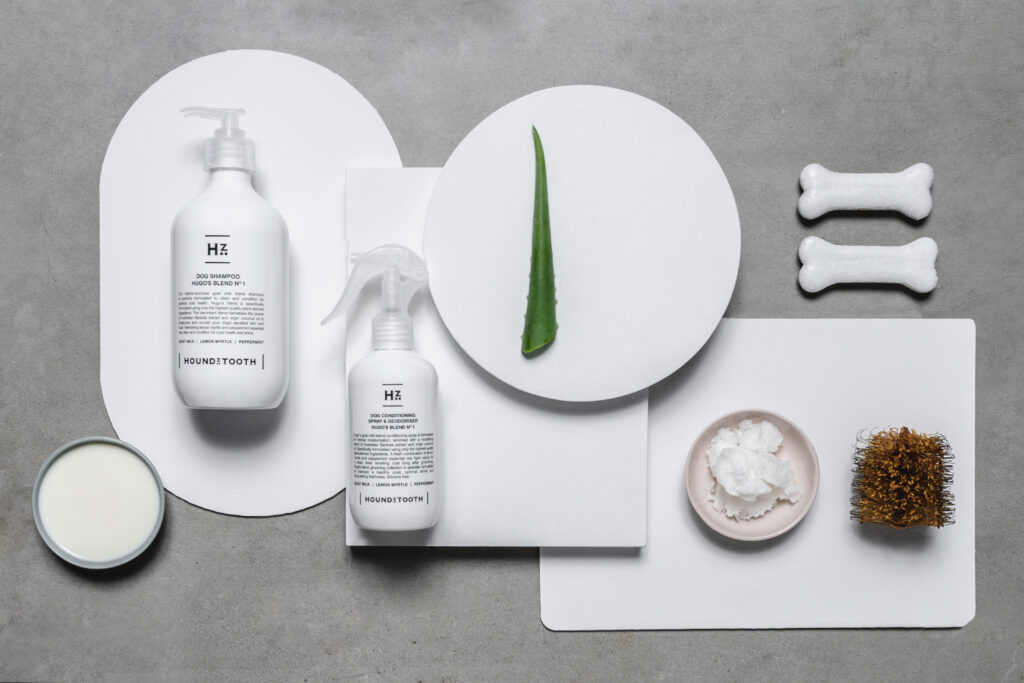
Aloe vera is widely used for its skin-conditioning properties. In dog shampoo, aloe vera leaf juice can contribute to a gentle grooming formulation designed to care for the skin while cleansing the coat.
Goat Milk
Goat milk is valued in skincare for its naturally occurring fats, proteins and vitamins, making it a popular ingredient in gentle grooming formulations. Its fat content can contribute to skin-conditioning properties, helping the coat feel softer and more manageable after washing.
Goat milk also naturally contains lactic acid, an alpha hydroxy acid (AHA), although its exfoliating effects in a rinse-off shampoo depend on the concentration and formulation.
For dogs with dry or sensitive skin, goat milk can be a useful ingredient in a shampoo designed to cleanse gently while maintaining skin and coat condition. However, its benefits depend on the complete formulation rather than goat milk alone.
Australian Almond Oil
Australian almond oil helps condition the coat, contributing to softness and manageability.
When combined with suitable cleansing ingredients, botanical oils can be useful additions to an everyday grooming routine.
Choosing the Best Dog Shampoo for Itchy Skin
Choosing a Houndztooth Shampoo for Itchy or Sensitive Skin
At Houndztooth, we believe that caring for your dog’s skin starts with choosing the right grooming products. Our shampoos are formulated with carefully selected natural ingredients to gently cleanse, condition and support healthy skin and coats.
While Hugo’s Blend No. 1, Stella’s Blend No. 2 and Charlie’s Blend No. 3 are all options for dogs with sensitive skin, each has a different grooming focus.
Stella’s Blend No. 2 – Our First Choice for Itchy, Dry or Sensitive Skin
Specifically developed for delicate skin, Stella’s Blend No. 2 is our recommended starting point for dogs prone to itching, dryness or skin sensitivity.
Its formulation combines goat milk, oatmeal, aloe vera leaf juice, Australian almond oil and Manuka honey, alongside selected botanical extracts.
These ingredients are chosen for their skin-conditioning qualities, helping maintain a soft, manageable coat while providing gentle cleansing.
Best suited to: Dogs prone to dry, itchy or sensitive skin that need a gentle everyday grooming routine.
Hugo’s Blend No. 1 – Gentle Cleansing and Odour Control
Hugo’s Blend No. 1 is designed for cleansing and odour neutralising, making it a practical choice for dogs that spend plenty of time outdoors or develop that familiar doggy smell between baths.
Formulated with ingredients including goat milk, Australian Banksia and coconut oil, peppermint and lemon myrtle essential oils. Hugo’s Blend helps cleanse and condition the coat without making grooming unnecessarily harsh.
It’s particularly suited to double-coated breeds and dogs needing regular coat maintenance.
Best suited to: Dogs with sensitive skin that also need effective cleansing, odour control and double-coat care.
Charlie’s Blend No. 3 – Everyday Skin and Coat Care
Charlie’s Blend No. 3 is formulated for everyday revitalising and balancing, combining gentle cleansing with ingredients selected to maintain skin and coat condition.
Its formulation includes goat milk, oatmeal, aloe vera, Australian almond oil and green tea, alongside selected botanical extracts.
It’s a useful choice for dogs whose skin is generally comfortable but who benefit from a gentle, regular grooming routine.
Best suited to: Dogs with sensitive skin requiring everyday cleansing, coat conditioning and maintenance.
Which Houndztooth Shampoo Should You Choose?
If your dog’s main concern is itchy, dry or delicate skin, Stella’s Blend No. 2 would be our first recommendation.
For dogs needing additional odour control or double-coat maintenance, consider Hugo’s Blend No. 1. For regular cleansing and coat care, Charlie’s Blend No. 3 is another suitable option.
All three blends have complementary conditioning sprays to help maintain coat softness and manageability between baths.
How Often Should You Wash a Dog with Itchy Skin?
There’s no single bathing schedule that suits every dog.
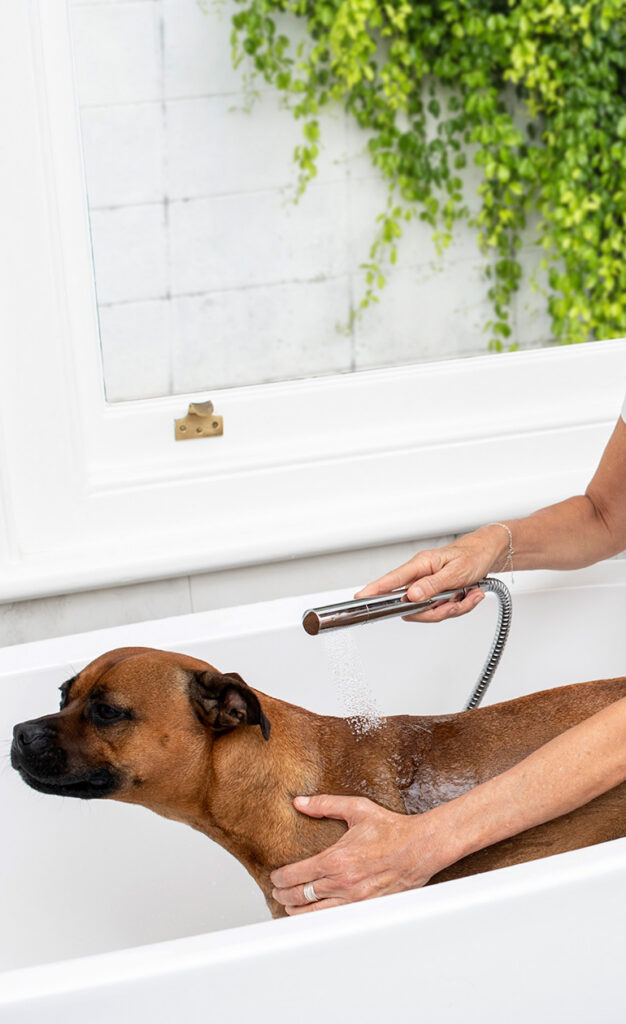
Coat type, activity level, skin condition and the shampoo being used all play a role. We generally recommend bathing your dog every 2, 4 or 6 weeks depending on their skin and coat needs.
For everyday grooming:
- Use lukewarm water rather than hot water.
- Follow the shampoo’s application instructions.
- Rinse thoroughly to remove any residue.
- Dry gently, particularly around skin folds.
Frequently Asked Questions
What is the best dog shampoo for itchy skin?
The best shampoo depends on what’s causing your dog’s itching. For everyday grooming, look for a gentle, dog-specific shampoo containing skin-conditioning ingredients such as oatmeal, aloe vera, goat milk and nourishing botanical oils.
Is oatmeal shampoo good for itchy dogs?
Oatmeal is commonly used in shampoos formulated for dry and sensitive skin. Colloidal oatmeal, in particular, is recognised for its soothing properties.
Can I use human shampoo on my dog?
Human shampoos aren’t generally recommended for routine dog bathing. Choose a shampoo specifically formulated for dogs unless your veterinarian advises otherwise.
What’s the difference between dry skin and itchy skin in dogs?
Dry skin may appear flaky or feel rough, while itchy skin causes scratching, licking or rubbing. Although dryness can contribute to itching, dogs may also scratch because of allergies, parasites or infections, even when their skin isn’t visibly dry.
How often should I wash my dog if they have itchy skin?
Bathing frequency depends on your dog’s coat, lifestyle and skin condition. Over-bathing with unsuitable products may contribute to dryness. We generally recommend bathing every 1 to 4 weeks for dogs with itchy skin.
When should I see a vet about my dog’s itchy skin?
If your dog is scratching persistently, licking excessively or developing redness, sores, hair loss or an unusual skin odour, veterinary advice is recommended.
Understanding Your Dog’s Skin Is the First Step
Healthy skin plays an important role in protecting your dog from environmental irritants and maintaining moisture. When the skin barrier becomes compromised, dogs may experience increased sensitivity, dryness or discomfort.
Choosing the best dog shampoo for itchy skin is one part of maintaining a gentle grooming routine, but understanding the cause of persistent itching is equally important.
The goal isn’t simply to stop the scratching, but to understand what’s causing it. By combining appropriate grooming practices with an understanding of your dog’s individual skin needs, you can make more informed choices that support their long-term skin and coat health.
Further reading: Canine Atopic Dermatitis: Guidelines for Diagnosis and Allergen Identification
Related Articles
What Is the Best Dog Shampoo for Dry Skin?
Discover what causes dry skin in dogs, which ingredients to look for and how to choose a gentle shampoo that supports everyday skin and coat care.
Read next: What Is the Best Dog Shampoo for Dry Skin?
4 Benefits of Oatmeal Shampoo for Dogs
Explore why oatmeal is a popular ingredient in dog grooming products and how it may support dry or sensitive skin.
Read next: 4 Benefits of Oatmeal Shampoo for Dogs
Dog Allergies Explained: Skin Health, Nutrition and the Skin Barrier
Understand how allergies can affect your dog’s skin, why persistent paw licking and scratching shouldn’t be ignored, and the role of the skin barrier in maintaining healthy skin.
Read next: Dog Allergies Explained: Skin Health, Nutrition and the Skin Barrier