
19.7.18
Best Dog Shampoo for Dry Skin?

Dry, flaky skin can leave your dog feeling uncomfortable, particularly when accompanied by itching, irritation or changes to their coat. While choosing the right shampoo is an important part of maintaining healthy skin and coat condition, understanding what causes dryness is just as important.
The best dog shampoo for dry skin should gently cleanse without unnecessarily stripping the skin’s natural oils, while including ingredients that help maintain moisture and coat condition.
Ingredients such as oatmeal, aloe vera, goat milk and plant-derived oils are commonly used in conditioning shampoos. However, not every shampoo suits every dog, particularly those with sensitive skin.
So, what should you look for when choosing a shampoo for your dog?
At a Glance: Choosing the Best Dog Shampoo for Dry Skin
Choose a gentle, dog-specific shampoo. Look for a formulation that cleanses without unnecessarily stripping natural oils.
Consider conditioning ingredients. Oatmeal, aloe vera and plant-derived oils are commonly used to support skin and coat conditioning.
Review your grooming routine. Bathing frequency, water temperature, rinsing and conditioning all matter.
Understand the cause of dryness. Persistent flaking, redness or itching may indicate an underlying skin concern requiring veterinary attention.
Why Do Dogs Get Dry Skin?
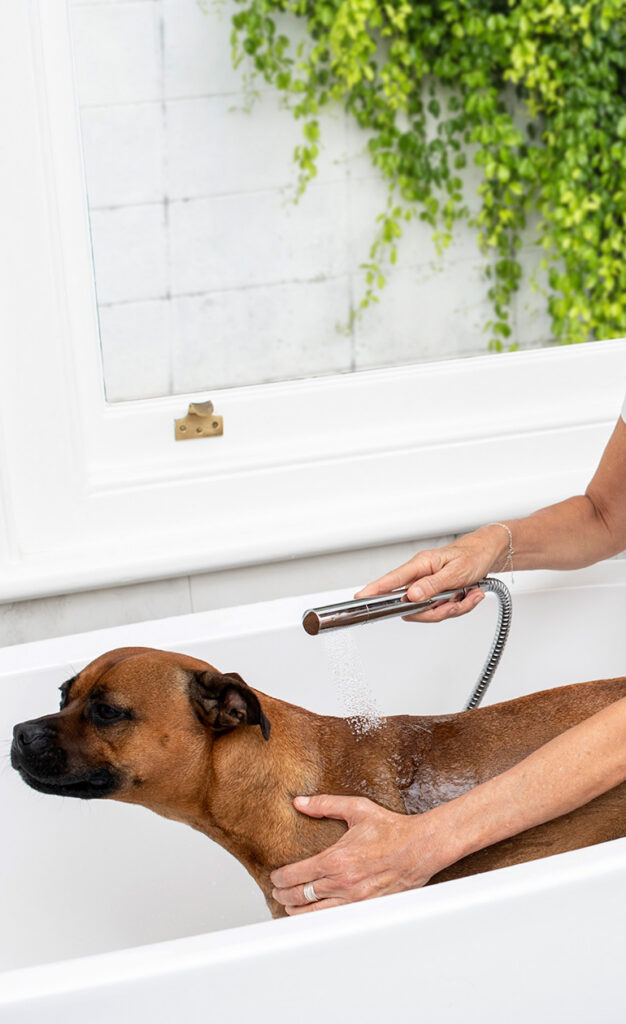
Dry skin can develop for several reasons, and the cause isn’t always related to the shampoo you’re using.
Environmental conditions, including cold weather, indoor heating and low humidity, may contribute to dryness. Frequent bathing, unsuitable grooming products or shampoo residue can also affect skin condition.
In other cases, dry or flaky skin may be associated with allergies, parasites, infections or underlying health concerns.
Your dog’s skin has a protective barrier that helps retain moisture and limit exposure to environmental irritants. When this barrier is compromised, dryness and sensitivity may become more noticeable.
If your dog experiences persistent scratching, redness, hair loss or recurring irritation, speak with your veterinarian rather than relying on shampoo changes alone.
Read next: Dog Allergies Explained: Skin Health, Nutrition and the Skin Barrier.
What Should You Look for in a Dog Shampoo for Dry Skin?
When comparing shampoos, the overall formulation is more important than fragrance or marketing claims.
Gentle, Dog-Specific Cleansing
Choose a shampoo formulated specifically for dogs, with cleansing ingredients appropriate for their skin and coat.
Human shampoos are generally not recommended for routine dog grooming because they may not be suited to the characteristics of canine skin.
Skin-Conditioning Ingredients
Look for ingredients commonly used to maintain moisture and coat softness, including oatmeal, aloe vera and plant-derived oils.
The effectiveness of a shampoo depends on the complete formulation, rather than any single ingredient.
Suitable Fragrance and Botanical Ingredients
Natural ingredients are not automatically non-irritating. Essential oils and botanical extracts can be suitable components of professionally formulated shampoos, although individual dogs may react differently.
For dogs with sensitive skin, fragrance should never be the main reason for choosing a product.
A Complementary Conditioning Routine
A suitable conditioner or conditioning spray may help maintain coat softness and manageability after bathing.
Ingredients Worth Understanding in Dog Shampoos for Dry Skin
Several ingredients used in Houndztooth’s grooming range are commonly found in skin-conditioning formulations.
Oatmeal
Oatmeal is widely used in grooming and skin-care products for its soothing and conditioning properties.
Colloidal oatmeal has been studied for its skin-protective properties, although the benefits of an individual shampoo depend on its overall formulation.
Houndztooth incorporates oatmeal into Stella’s Blend No. 2 and Charlie’s Blend No. 3 shampoos.
Read next: 4 Benefits of Oatmeal Shampoo for Dogs
Aloe Vera
Aloe vera leaf juice is commonly included in topical products for its hydrating and conditioning properties.
In dog shampoos, it can form part of a formulation designed to maintain skin and coat condition.
Goat Milk
Goat milk contains naturally occurring fats and other components that make it an interesting ingredient in grooming formulations.
Houndztooth uses goat milk across its shampoo range as part of its approach to skin and coat care.
Read next: 5 Benefits Of Goat Milk Shampoo For Dogs
Australian Almond Oil
Australian almond oil is an emollient ingredient that helps condition the skin and coat, contributing to a softer, smoother feel.
How Often Should You Bathe a Dog with Dry Skin?
There is no single bathing schedule suitable for every dog. Frequency depends on coat type, lifestyle, skin condition and the products being used.
Some dogs benefit from regular bathing to remove dirt and environmental allergens, while excessive washing with unsuitable products may contribute to dryness.
To help maintain skin and coat condition:
- Use lukewarm rather than hot water.
- Choose a gentle shampoo formulated for dogs.
- Follow the product’s application instructions.
- Rinse thoroughly to remove shampoo residue.
- Consider a suitable conditioning product.
- Dry your dog gently, avoiding excessive heat.
Dogs with diagnosed skin conditions may require a specific bathing routine recommended by their veterinarian.
Choosing a Houndztooth Shampoo for Dogs with Dry Skin
At Houndztooth, we believe grooming should be about more than keeping your dog clean. The ingredients used on their skin and coat are an important part of everyday care.
Our grooming range incorporates ingredients such as goat milk, aloe vera, oatmeal and plant-derived oils.
For dogs experiencing ordinary dryness or flakiness, two options worth considering are Stella’s Blend No. 2 and Charlie’s Blend No. 3.
Stella’s Blend No. 2 Dog Shampoo
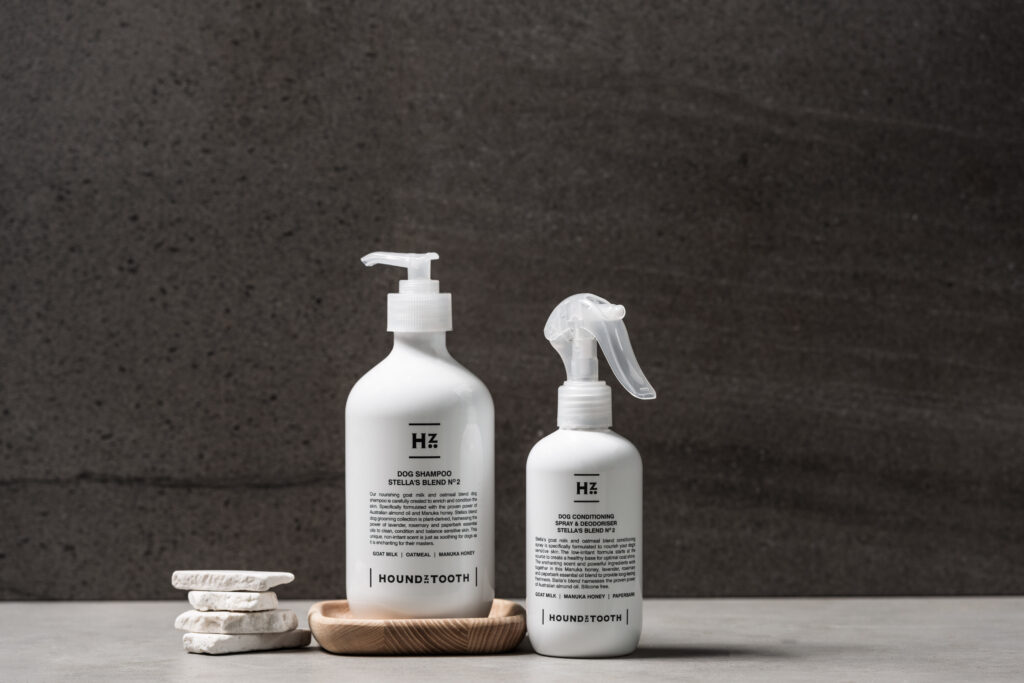
Stella’s Blend No. 2 combines goat milk, aloe vera leaf juice, oatmeal and Australian almond oil with a botanical blend featuring Manuka honey, lavender, rosemary and paperbark.
These ingredients form part of a shampoo designed to gently cleanse while helping maintain skin and coat condition.
The matching Stella’s Blend No. 2 Conditioning & Deodorising Spray can be incorporated into your grooming routine to help maintain coat softness and manageability.
Charlie’s Blend No. 3 Dog Shampoo
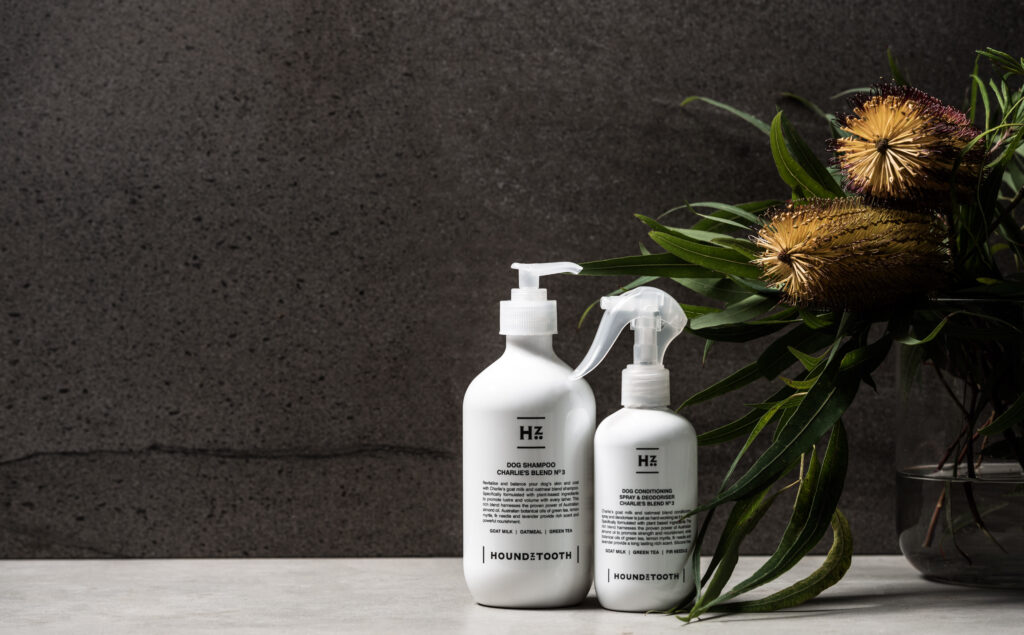
Charlie’s Blend No. 3 also contains goat milk, aloe vera leaf juice, oatmeal and Australian almond oil, alongside a botanical blend featuring green tea, lemon myrtle, fir needle and lavender.
It provides another grooming option combining cleansing and conditioning ingredients.
Charlie’s Blend No. 3 Conditioning & Deodorising Spray offers a complementary leave-in coat-conditioning option.
Both shampoos contain aromatic Australian botanical ingredients, so suitability will depend on your dog’s individual skin sensitivities and grooming needs.
What is the best dog shampoo for dry skin?
Choose a gentle, dog-specific shampoo containing appropriate cleansing and conditioning ingredients. Oatmeal, aloe vera and emollient oils are commonly included in formulations designed to maintain skin and coat condition.
Is oatmeal shampoo good for dogs with dry skin?
Oatmeal is commonly used in skin-conditioning products and may be a useful ingredient in shampoos for dogs with dry skin. The overall formulation and your dog’s individual needs remain important.
Can I use human shampoo on my dog?
Human shampoo is generally not recommended for routine dog grooming because it may not be formulated for canine skin. A suitable dog-specific shampoo is always preferable.
How often should I wash a dog with dry skin?
Bathing frequency depends on your dog’s coat, lifestyle and skin condition. Avoid excessive washing with unsuitable products, rinse thoroughly and seek veterinary guidance if dryness persists.
Should I use conditioner on a dog with dry skin?
A suitable dog-specific conditioner or conditioning spray may help maintain coat softness and manageability. It won’t treat an underlying skin condition.
Supporting Your Dog’s Skin and Coat Health
Choosing the best dog shampoo for dry skin isn’t simply about finding the nicest fragrance or the longest ingredient list.
It’s about understanding your dog’s individual skin needs, choosing an appropriate formulation and maintaining a consistent grooming routine.
Ingredients such as oatmeal, aloe vera, goat milk and plant-derived oils can play a role in skin and coat conditioning, while gentle bathing practices help support everyday comfort.
If dryness persists or your dog develops ongoing irritation, veterinary advice is the best starting point.
EXPLORE HOUNDZTOOTH DOG GROOMING →
Related Articles
4 Benefits of Oatmeal Shampoo for Dogs
Discover why oatmeal is commonly included in grooming formulations and how it contributes to skin and coat care.
Read next: 4 Benefits of Oatmeal Shampoo for Dogs
The Benefits of Manuka Honey Dog Shampoo
Explore Manuka honey as a botanical ingredient in dog grooming formulations.
Read next: The Benefits of Manuka Honey Dog Shampoo
Dog Allergies Explained: Skin Health, Nutrition and the Skin Barrier
Understand how allergies, nutrition and the skin barrier may influence your dog’s skin health.
Read next: Dog Allergies Explained: Skin Health, Nutrition and the Skin Barrier
The Ultimate Guide to Pet Shampoo and Conditioner
Learn more about choosing grooming products and building a routine suited to your dog’s coat.
Read next: The Ultimate Guide to Pet Shampoo and Conditioner