
09.9.26
Best Joint Supplements for Dogs in Australia: What Should You Look For?
By Rachael Tricarico
Founder of Houndztooth & Certified Natural Animal Nutritionist (CIVT)

If your dog is becoming slower to get up, hesitating before jumping into the car or simply not moving as freely as they once did, you may start wondering whether a joint supplement could help support their mobility. However, choosing one isn’t always straightforward.
There are powders, chews and oils containing everything from green-lipped mussel and collagen to glucosamine, turmeric and omega-3s.
So, what should you actually look for in a joint supplement for dogs?
Rather than choosing the product with the longest ingredient list, look at the ingredients used, the evidence behind them, their form and amount, and whether the formula is appropriate for your individual dog.
At a Glance: What to Look for in Joint Supplements for Dogs
Look beyond the ingredient list
The best joint supplements for dogs use purposeful ingredients in clearly disclosed amounts, rather than simply having the longest ingredient list.
Green-lipped mussel has canine research
New Zealand green-lipped mussel has been studied in dogs and may help support joint health, comfort and mobility.
Not all omega-3s are the same
ALA, EPA and DHA are different types of omega-3 fatty acids. The source and type matter when comparing supplements.
Choose for your individual dog
Age, size, activity level, body condition, diet and existing health conditions can all influence your dog’s joint support needs.
When Should You Start Thinking About Your Dog’s Joint Health?
Joint health isn’t only something to consider when your dog becomes a senior.
Large breeds, active and working dogs, ageing dogs and dogs experiencing changes in their usual movement may all benefit from greater attention to mobility and joint health.
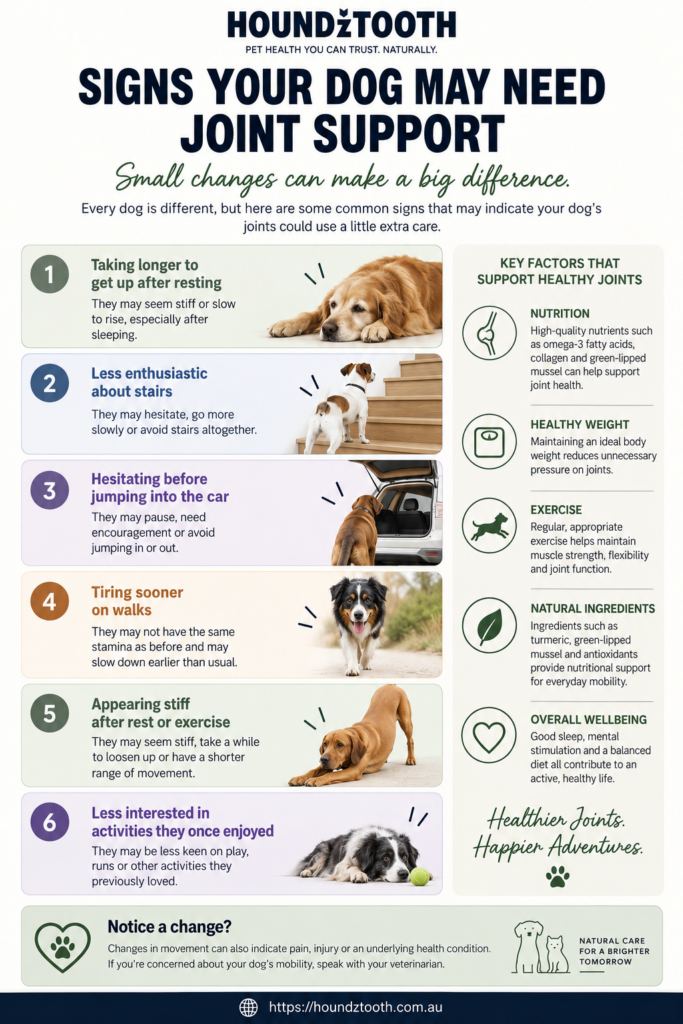
Signs you might notice include:
- taking longer to get up after resting
- becoming less enthusiastic about stairs
- hesitating before jumping into the car
- tiring sooner on walks
- appearing stiff after rest or exercise
- becoming less interested in activities they previously enjoyed.
Changes in movement can also indicate pain, injury or an underlying health condition. If changes are new, persistent or significant, speak with your veterinarian rather than assuming they’re simply part of getting older.
What Should You Look for in a Joint Supplement for Dogs?
With so many joint supplements for dogs available, it can be difficult to know what actually matters.
Rather than choosing the product with the longest ingredient list, look for:
- clearly identified functional ingredients
- transparent ingredient amounts
- evidence relevant to dogs where available
- ingredients that have a clear purpose within the formula
- a supplement appropriate for your individual dog’s needs.
If you’re unsure how to assess a supplement label, read our guide to selecting a high-quality pet supplement.
Here are some of the key ingredients to look for.
1. New Zealand Green-Lipped Mussel
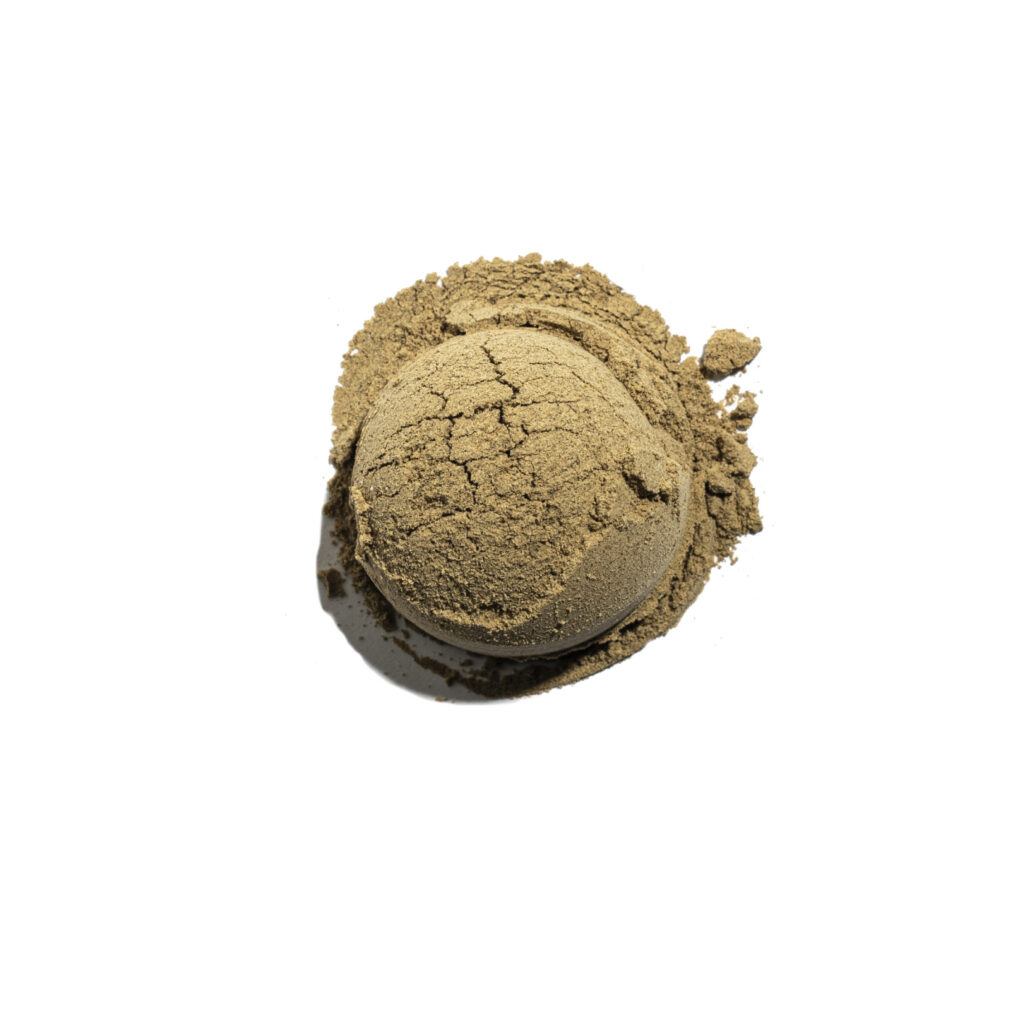
New Zealand green-lipped mussel (Perna canaliculus) is widely used in canine joint supplements and is one of the more researched ingredients for dogs.
A veterinary review identified seven canine studies investigating green-lipped mussel. Most reported improvements in measures associated with osteoarthritis or degenerative joint disease, although results varied between studies and different preparations and amounts were used.
Green-lipped mussel also naturally contains marine omega-3 fatty acids, including EPA and DHA.
When comparing products, consider the source, form and amount of green-lipped mussel rather than simply whether it appears on the ingredient list.
Expert Insight
“When I assess a joint supplement, I don’t simply count how many ingredients are on the label. I look at why each ingredient has been included, its nutritional or functional role, the evidence behind its use and how it fits within the overall formulation. More ingredients doesn’t necessarily mean a better supplement.“
Rachael Tricarico
Houndztooth Founder & Certified Natural Animal Nutritionist CVIT
2. Collagen
Collagen is a structural protein found in cartilage, tendons, ligaments and other connective tissues.
Joint supplements may contain collagen from different sources, including bovine collagen, derived from cattle, and marine collagen, derived from fish.
The source can influence the types of collagen and amino acid profile provided, so it’s worth checking what form of collagen a supplement contains rather than simply looking for the word “collagen” on the label.
Houndztooth Mobility Aid contains bovine collagen as part of its multi-ingredient formula designed to support connective tissue and everyday mobility.
3. Hemp Seed Oil and Hemp Seed Powder
Hemp seed is a nutrient-rich ingredient that provides essential fatty acids, including omega-3 and omega-6 fatty acids, as well as naturally occurring plant nutrients.
The oil is particularly valued for its fatty acid profile, while hemp seed powder provides additional nutritional components from the whole seed.
Houndztooth Mobility Aid combines Australian hemp seed oil and hemp seed powder with other functional ingredients as part of its broader approach to supporting healthy joints and everyday mobility.
4. Turmeric and Other Supporting Ingredients
Turmeric (Curcuma longa) is commonly included in mobility formulations and contains naturally occurring compounds including curcumin. It is often paired with black pepper, which contains piperine and may help improve the absorption of curcumin.
Other nutrients can also play supporting roles within a joint formula. Vitamin C contributes to normal collagen formation, magnesium supports normal muscle and nerve function, while spirulina provides broader nutritional and antioxidant support.
Each ingredient has a different role, working together as part of a broader approach to supporting joint health and mobility.
5. Omega-3, Glucosamine and Chondroitin?
Omega-3 fatty acids are commonly included in nutritional supplements for dogs, although not all omega-3s are the same.
Hemp seed oil provides ALA (alpha-linolenic acid), a plant-based omega-3 fatty acid. Marine sources provide the long-chain omega-3 fatty acids EPA and DHA. Dogs can convert ALA into EPA and DHA, although their ability to do so is limited.
This means it’s worth looking beyond the words “contains omega-3” and considering which type of omega-3 a supplement provides and where it comes from.
Glucosamine and chondroitin are also widely used in joint supplements for dogs. However, their presence doesn’t automatically make one formulation better than another. Different supplements take different approaches to joint support, using ingredients such as green-lipped mussel, collagen, omega fatty acids and botanical ingredients.
When comparing products, consider the overall formulation, ingredient amounts and suitability for your individual dog, rather than looking for one ingredient that every joint supplement must contain.
What Is the Best Joint Supplement for Your Dog?
There isn’t one joint supplement that’s best for every dog.
Age, breed, size, activity level, body condition, diet, your dog’s nutritional needs and existing health conditions can all influence what type of joint support may be appropriate.
When comparing joint supplements for dogs, consider:
- whether the functional ingredients and amounts are clearly disclosed
- the source and form of key ingredients
- whether there is relevant research behind the ingredients
- why each ingredient has been included
- whether the formula is appropriate for your individual dog.
Joint supplements are also only one part of supporting healthy movement. Maintaining a healthy body weight, regular appropriate exercise, good muscle condition, balanced nutrition and veterinary care all contribute to long-term mobility.
Supporting Your Dog’s Mobility with Houndztooth
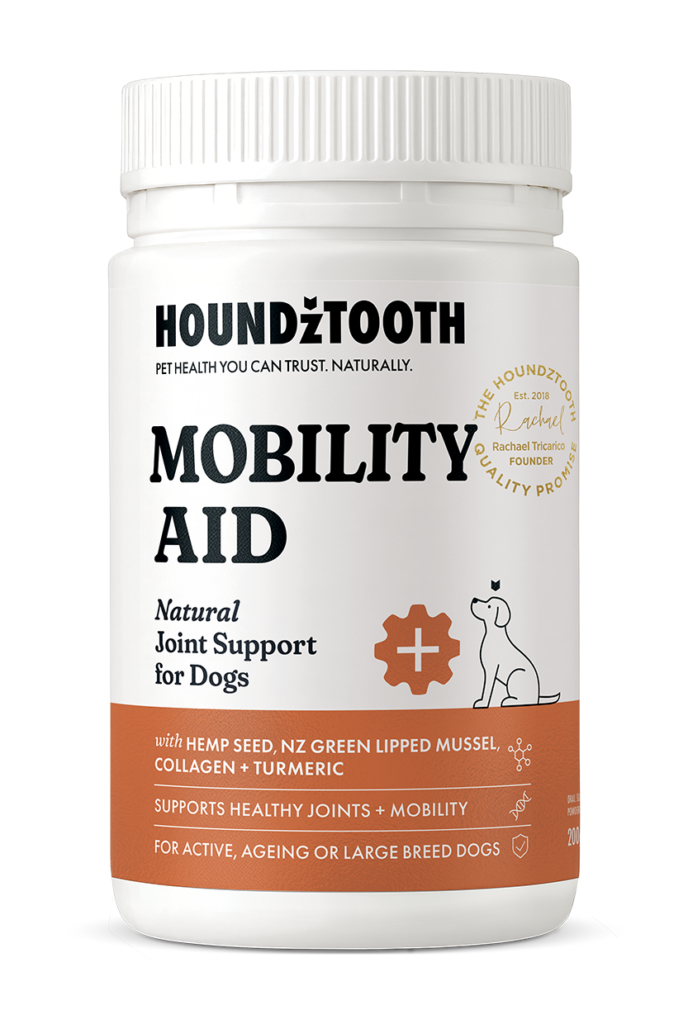
Houndztooth Mobility Aid takes a multi-ingredient approach to nutritional joint support.
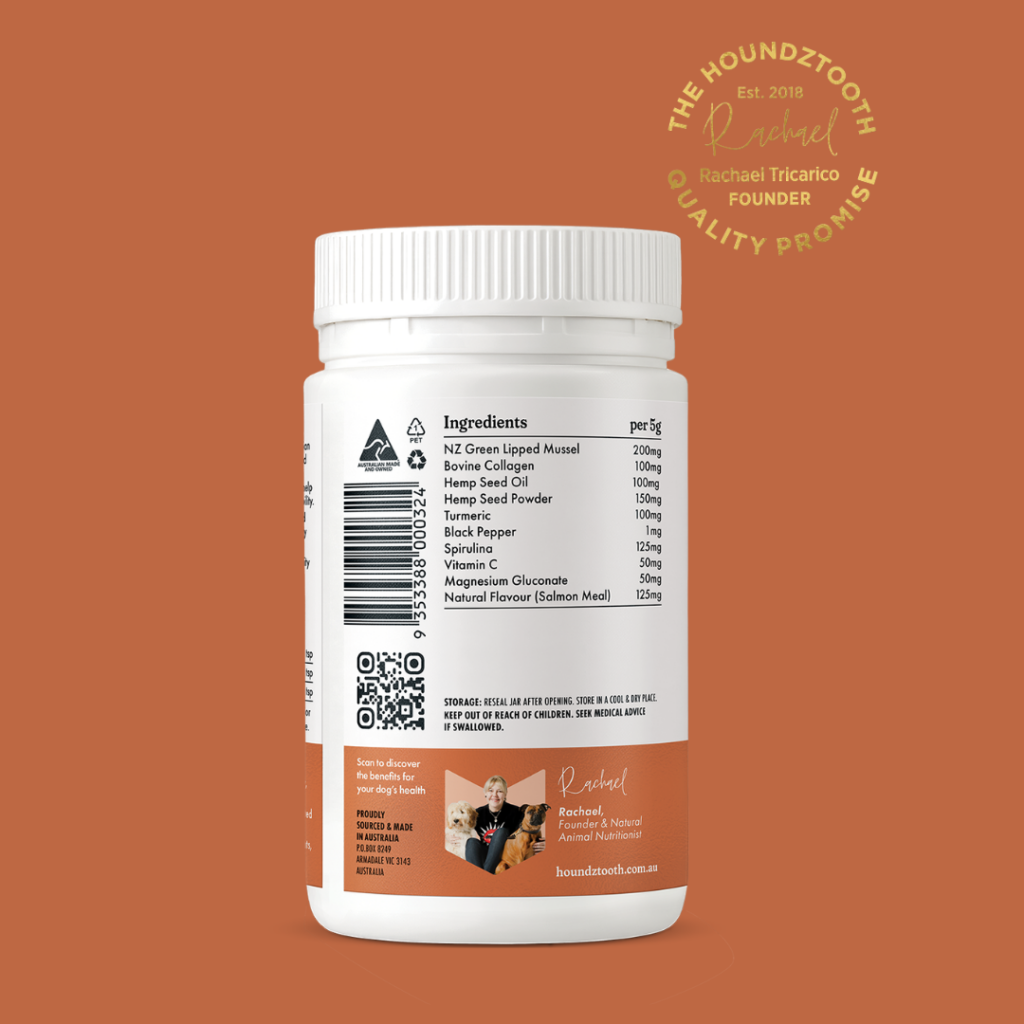
The formula combines New Zealand green-lipped mussel, bovine collagen, Australian hemp seed oil and hemp seed powder with turmeric, black pepper, spirulina, vitamin C and magnesium.
Rather than relying on one ingredient alone, each has been selected to play a role within a broader formula designed to support healthy joints, connective tissue, muscles and everyday mobility.
When Should You Speak to Your Vet?
Changes in mobility shouldn’t automatically be assumed to be part of getting older.
Speak with your veterinarian if your dog suddenly becomes lame or appears painful, has difficulty standing or walking, stops using a limb normally, or experiences significant or persistent changes in their movement.
Your vet can investigate the underlying cause and help determine whether nutritional supplementation is appropriate as part of your dog’s overall care.
Frequently Asked Questions
What ingredients should I look for in a joint supplement for dogs?
Look for clearly identified functional ingredients with appropriate evidence behind their use. Green-lipped mussel, collagen and omega-3 fatty acids are among the ingredients commonly used in nutritional joint formulations. Ingredient source, form and amount should also be considered.
Is green-lipped mussel good for dogs’ joints?
Green-lipped mussel has been investigated in several canine studies. A veterinary review found that most of the included dog studies reported improvements in measures associated with osteoarthritis or degenerative joint disease, although results varied between studies and different preparations and amounts were used.
At what age should dogs start taking joint supplements?
There isn’t one age that’s appropriate for every dog. Breed, size, activity level, body condition and individual health can all influence a dog’s joint-support needs.
How long do joint supplements take to work in dogs?
This varies depending on the dog, ingredients and formulation. Joint supplements are generally designed to provide ongoing nutritional support rather than immediate relief. If your dog appears uncomfortable or their mobility is deteriorating, speak with your veterinarian.
Can dogs take joint supplements every day?
Many joint supplements are designed for daily use when given according to their directions. Consider your dog’s complete diet, medications and other supplements, and speak with your veterinarian if your dog has an existing health condition.
Supporting Healthy Movement for Life
Joint health isn’t only something to think about when your dog gets older.
Healthy body weight, regular appropriate exercise, good muscle condition and balanced nutrition can all contribute to maintaining mobility throughout your dog’s life.
When choosing a joint supplement, look beyond the claims on the front of the packet. Understanding what’s inside, why it’s there and what the evidence tells us is a much better place to start.
Related Articles
Our Tips on How to Care for Senior Dogs
Learn practical ways to support your dog as they age, including nutrition, exercise, mobility and everyday care.
Read next: Our Tips on How to Care for Senior Dogs
How to Select a High-Quality Pet Supplement
Learn what to look for when comparing pet supplements, from ingredient quality and formulation to research and transparency.
Read next: How to Select a High-Quality Pet Supplement
Do Dog Supplements Work? Here’s Everything You Need to Know
Explore how supplements can fit into your dog’s nutrition and what to consider when choosing targeted nutritional support.
Read next: Do Dog Supplements Work? Here’s Everything You Need to Know
How Do I Find Out My Dog’s Nutritional Needs?
Learn how age, size, activity and life stage can influence your dog’s nutritional requirements.