27.4.26
Best Dog Supplements for Itchy Skin
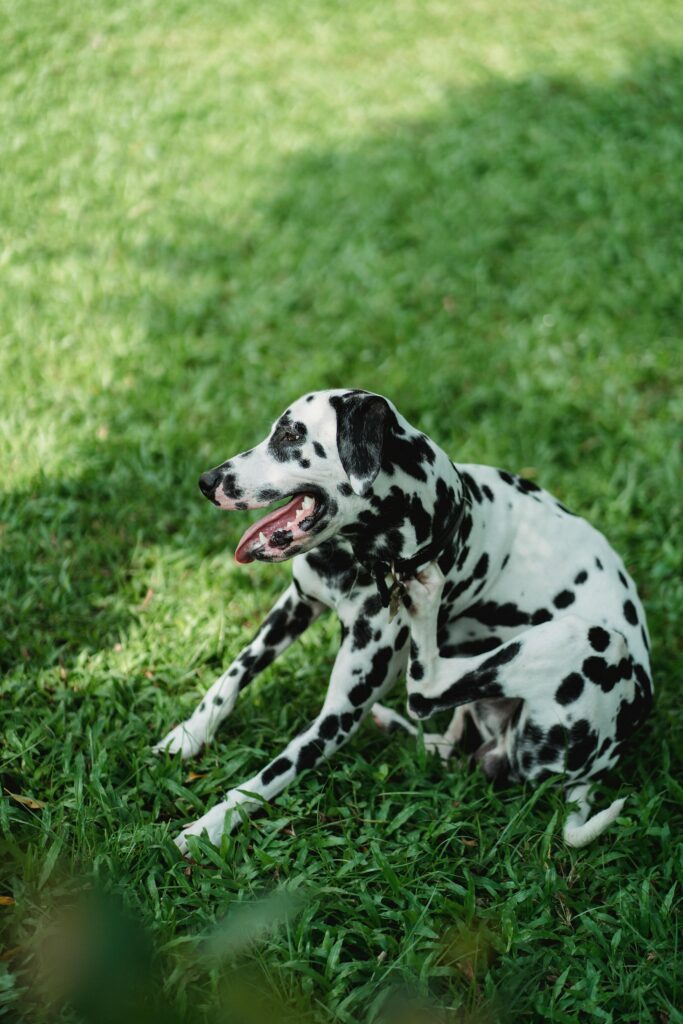
If your dog is constantly scratching, licking their paws, or dealing with dry, flaky skin, you’re not alone. Itchy skin is one of the most common issues dog owners face—and while it’s tempting to reach for a quick fix, the real solution starts from within.
At Houndztooth, we take a natural, nutrition-first approach to skin health. Because when you support your dog’s gut, nourish their skin barrier, and reduce inflammation, you’re supporting your dog’s overall skin health.
“Itchy skin in dogs is rarely just a surface issue—it’s often a reflection of what’s happening internally, particularly in the gut and immune system,” explains Rachael, our Natural Animal Nutritionist.
Let’s break down the best dog supplements for itchy skin, and how to choose the right combination for long-term results.
Why Do Dogs Get Itchy Skin?
Before jumping into supplements, it’s important to understand the root causes. The most common triggers include:
- Food sensitivities
- Environmental allergies (grass, pollen, dust)
- Poor gut health
- Nutrient deficiencies
- Dry skin or compromised skin barrier
“When the gut microbiome is out of balance, it can trigger inflammation throughout the body—including the skin,” says Rachael, natural animal nutritionist and founder of Houndztooth.
That’s why the best approach combines gut support, anti-inflammatory nutrients, and skin barrier repair.
1. Support the Gut First: Prodigestive Probiotic
If your dog has itchy skin, gut health should be your starting point.
👉 Explore: Dog Supplements
Prodigestive Probiotic is designed to restore balance in your dog’s digestive system using natural ingredients that support:
- Healthy gut bacteria
- Nutrient absorption
- Immune function
“A healthy gut helps regulate the immune response, which is key in reducing allergic reactions that show up as itching and irritation,” Rachael explains.
Why it works for itchy skin:
- Reduces inflammation at the source
- Supports immune resilience
- Helps manage food-related sensitivities
For many dogs, improving gut health alone can significantly reduce itching.
2. Reduce Inflammation Naturally: Hemp Seed Oil
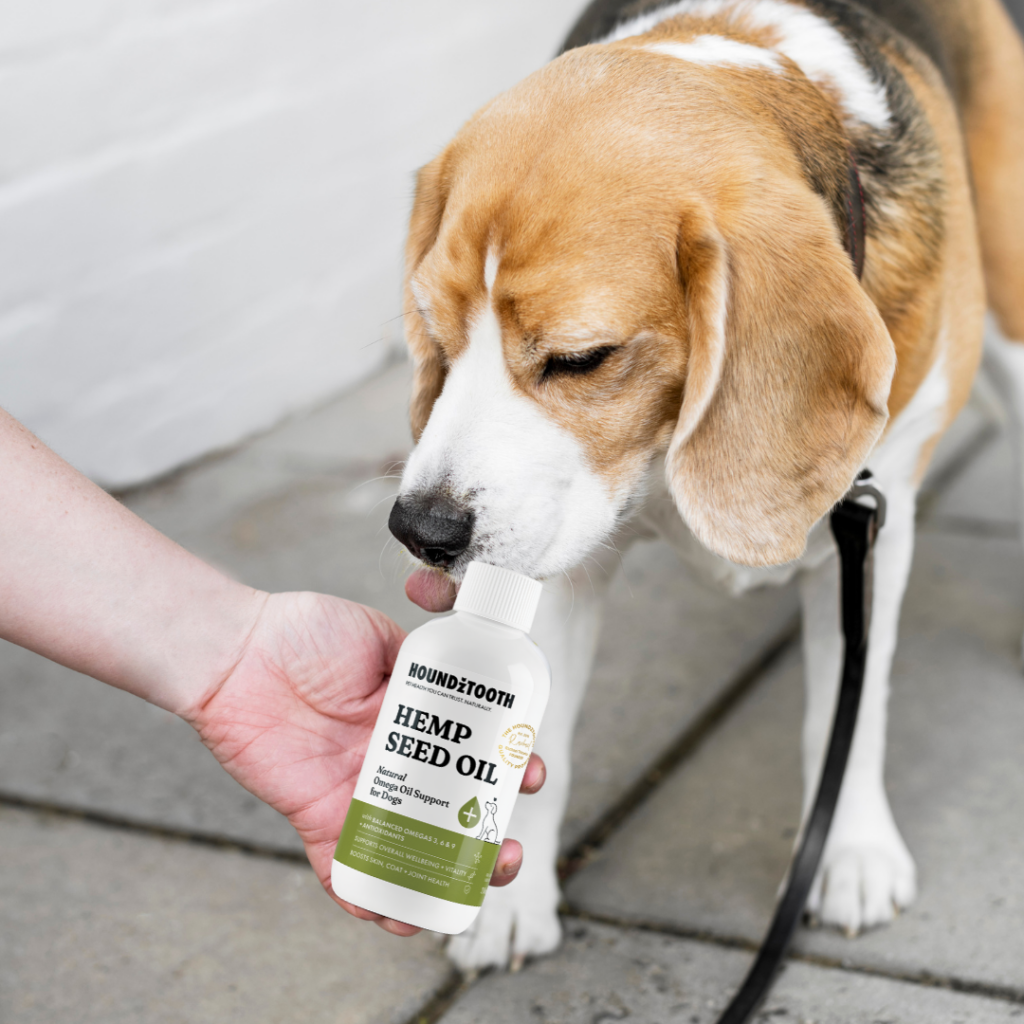
For dogs dealing with persistent itching, inflammation is often a major driver.
Hemp Seed Oil is a powerful, natural way to help calm the skin from within.
“Hemp seed oil is rich in omega fatty acids, which support skin hydration and overall skin health,” Rachael explains.
Why it’s effective:
- Rich in Omega 3 and 6
- Helps soothe irritated skin
- Supports moisture retention
Unlike harsh treatments, hemp seed oil works gently with your dog’s body to restore balance.
3. Nourish from Within: Skin + Coat Supplement
Once the gut is supported, the next step is to directly nourish the skin and coat.
👉 Shop: Skin and Coat Supplement for Dogs

The Skin + Coat supplement delivers targeted nutrients that help:
- Strengthen the skin barrier
- Improve coat shine and softness
- Reduce dryness and flakiness
“The skin needs the right building blocks—like essential fatty acids and key nutrients—to repair and maintain itself,” says Rachael.
Key benefits:
- Helps calm irritated skin
- Supports coat regeneration
- Ideal for dogs with hot spots and seasonal or ongoing itchiness
This is your go-to for visible improvements in skin and coat health.
How to Combine These Supplements for Best Results
For dogs with itchy skin, the most effective approach is layered support:
- Start with Prodigestive Probiotic → Repair gut health
- Include Hemp Seed Oil → Reduce inflammation and hydrate
- Add Skin + Coat → Nourish and rebuild skin
“You’ll see the best results when you address both the internal cause and the external symptoms at the same time,” says Rachael.
What to Look for in Dog Supplements for Itchy Skin
Not all supplements are created equal. When choosing a product, look for:
- Natural, high-quality ingredients
- No artificial fillers or additives
- Formulations that support both gut and skin health
- Products aligned with Australian standards and regulations
- Transparent ingredient inclusion rates, so you know exactly what—and how much—you’re giving your dog
At Houndztooth, our supplements are carefully formulated using high-quality, natural ingredients, with clear labelling to give pet owners confidence in what they’re feeding their dogs.
When Will You See Results?
Every dog is different, but generally:
- Gut improvements: 2–4 weeks
- Skin condition: 4–8 weeks
- Coat quality: 6–12 weeks
Consistency is key. Natural solutions take time—but they deliver lasting results.
If your dog is struggling with itchy skin, don’t just treat the symptoms. Look deeper.
“When you support your dog’s body holistically—starting with the gut—you’re improving their overall health and wellbeing,” Rachael says.
Ready to support your dog naturally?
Explore our full range of Dog Supplements designed to help your dog feel their best—inside and out.